Table of Contents
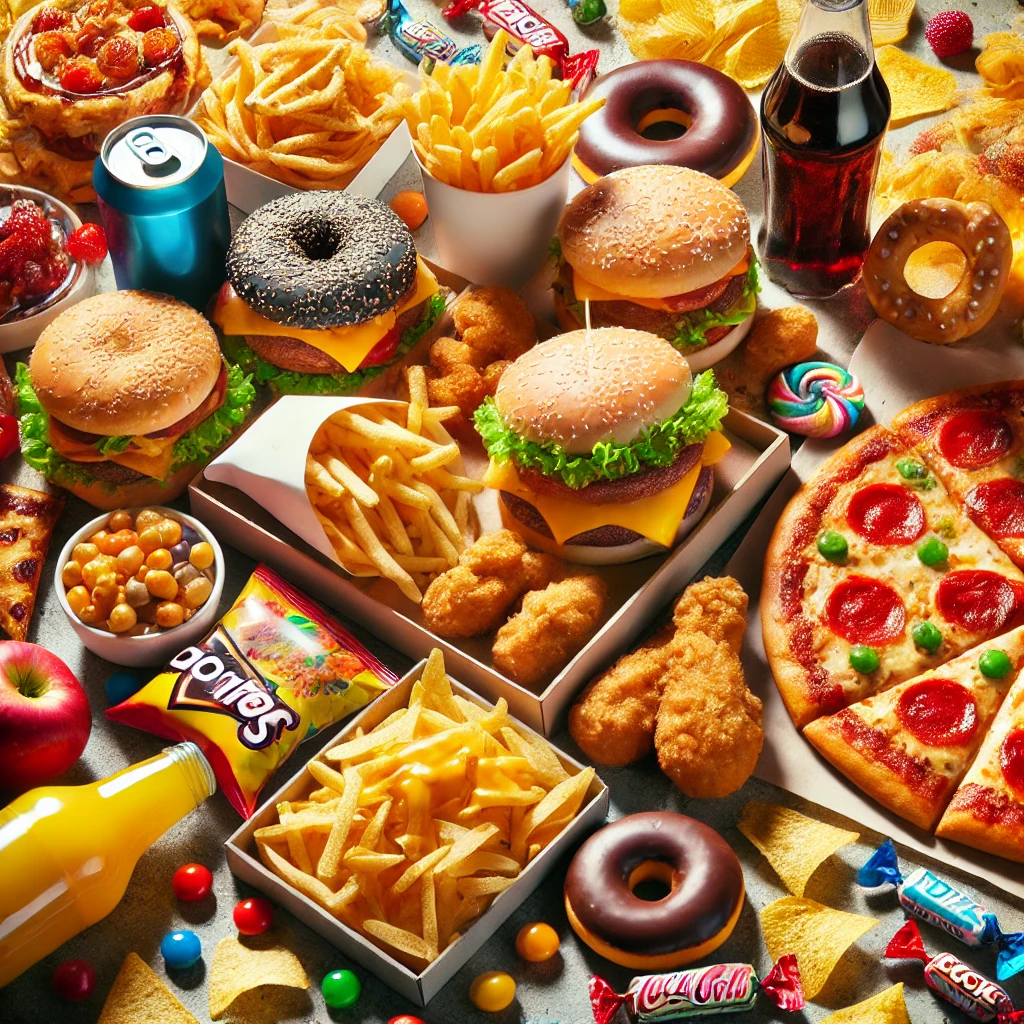

Fast food and junk food are bottled and packaged foods that contain artificial chemicals like coloring agents, flavoring agents, additives & preservatives, posing hidden health risks.
In today’s fast-paced lifestyle, the consumption of bottled and packaged foods and beverages has increased significantly. These products are formulated to last longer, look appealing, and taste better, often using various artificial coloring agents, flavoring agents, additives, and preservatives. However, these chemical substances can be harmful to health, potentially causing long-term diseases and disorders.
Chemical Additives in Bottled and Packaged Foods
Fast food and junk food are bottled and packaged foods that contain artificial chemicals like coloring agents, flavoring agents, additives & preservatives, posing hidden health risks.
Artificial Coloring Agents
Fast food and junk food are bottled and packaged foods that contain artificial chemicals like coloring agents, flavoring agents, additives & preservatives, posing hidden health risks.
Food colors are added to make products more visually appealing. Common artificial colors include:
Tartrazine (E102) – A yellow dye linked to allergies, asthma, and hyperactivity (ADHD).
Allura Red (E129) – A red dye associated with cancer, allergic reactions, and hyperactivity in children.
Sunset Yellow (E110) – Used in soft drinks and snacks; may cause digestive issues, allergies, and liver damage.
Artificial Flavoring Agents
Fast food and junk food are bottled and packaged foods that contain artificial chemicals like coloring agents, flavoring agents, additives & preservatives, posing hidden health risks.
These substances mimic natural flavors and enhance taste but can be harmful:
Monosodium Glutamate (MSG – E621) – Commonly found in processed foods, MSG can cause headaches, dizziness, high blood pressure, and nervous system disorders.
Aspartame (E951) – A synthetic sweetener linked to diabetes, neurological disorders, and memory loss.
Food Additives
Fast food and junk food are bottled and packaged foods that contain artificial chemicals like coloring agents, flavoring agents, additives & preservatives, posing hidden health risks.
These chemicals modify texture, preserve freshness, and improve the consistency of processed foods:
Sodium Nitrate (E251) – Used in processed meats like sausages; linked to an increased risk of stomach cancer.
Butylated Hydroxytoluene (BHT – E321) – A preservative in snacks like chips and biscuits; may cause hormonal imbalance and liver damage.
Preservatives
Fast food and junk food are bottled and packaged foods that contain artificial chemicals like coloring agents, flavoring agents, additives & preservatives, posing hidden health risks.
Added to prolong shelf life, preservatives can have serious health effects:
Sodium Benzoate (E211) – Common in soft drinks and fruit juices; can trigger allergic reactions and ADHD symptoms.
Potassium Sorbate (E202) – Found in cheese, jams, and baked goods; may cause skin allergies and respiratory issues.
Health Effects of These Chemicals
Fast food and junk food are bottled and packaged foods that contain artificial chemicals like coloring agents, flavoring agents, additives & preservatives, posing hidden health risks.
Digestive and Gut Health Issues
Preservatives disrupt the natural gut microbiome, leading to indigestion and acid reflux.
MSG and nitrates increase the risk of ulcers, bloating, and stomach irritation.
Sodium benzoate has been linked to stomach cancer.
Impact on the Nervous System
Artificial colors and flavor enhancers can contribute to mental instability, anxiety, and depression.
MSG and aspartame weaken the nervous system and impair memory function.
Harmful Effects on Children
Packaged foods often contain high levels of artificial additives, leading to hyperactivity, ADHD, and learning disabilities in children.
Tartrazine and other synthetic dyes can cause allergic reactions and skin conditions.
Increased Cancer Risk
Sodium nitrate, BHT, and artificial colorants may contribute to cancer development over long-term exposure.
Many synthetic dyes are classified as carcinogens by health organizations.
Cardiovascular and Blood Pressure Problems
MSG and high sodium levels in packaged foods increase the risk of high blood pressure and heart disease.
Trans fats, commonly found in processed foods, contribute to cholesterol buildup and heart complications.
Natural Alternatives and Healthier Choices
Home-Cooked Meals
Freshly prepared, natural food is the best alternative to packaged foods.
Homemade juices, pickles, and snacks reduce exposure to harmful chemicals.
Natural Coloring and Flavoring
Turmeric (yellow), beetroot (red), and spinach (green) can naturally enhance the color of food.
Honey, jaggery, and dates are excellent natural sweeteners.
Choosing Organic and Minimally Processed Foods
Organic products contain fewer chemical additives and preservatives.
Fresh, seasonal fruits and vegetables are always a better choice than long-shelf-life processed foods.
Reducing Packaged and Bottled Food Consumption
Fast food and junk food are bottled and packaged foods that contain artificial chemicals like coloring agents, flavoring agents, additives & preservatives, posing hidden health risks.
Reading food labels and identifying harmful E-number additives can help make informed choices.
Limiting the intake of processed snacks, ready-made meals, and bottled beverages can significantly improve health.
Conclusion
Fast food and junk food are bottled and packaged foods that contain artificial chemicals like coloring agents, flavoring agents, additives & preservatives, posing hidden health risks. While bottled and packaged foods may offer convenience, they pose significant health risks due to the presence of artificial colors, flavors, preservatives, and additives. These substances can lead to digestive disorders, nervous system issues, hyperactivity in children, cancer risks, and cardiovascular diseases. The best approach to maintaining good health is to adopt a natural diet, prioritize home-cooked meals, and minimize processed food consumption.
As the saying goes, “You are what you eat”—choosing fresh, natural foods over artificial, chemical-laden products is the key to a healthier life.