Table of Contents

The buffet culture, a common dining practice in many parts of the world, involves serving a variety of food items all at once, allowing individuals to serve themselves as much as they desire. While this model of eating may appear convenient and festive, it has raised concerns about its negative impact on health, particularly due to the habit of mixing multiple types of food in one sitting.

Overeating and Digestive Strain
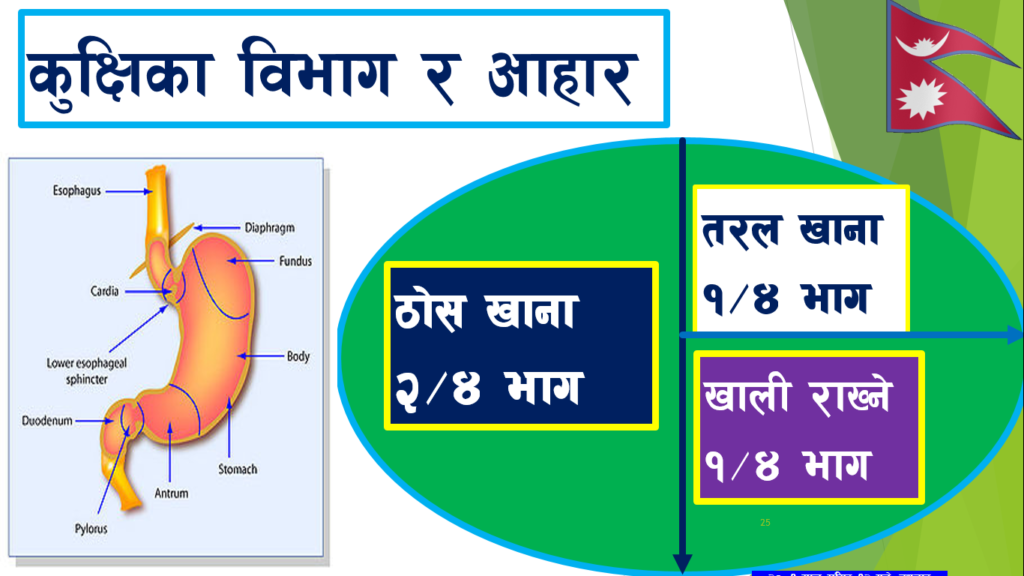
In buffet settings, the vast array of food options often tempts individuals to overeat. The freedom to serve oneself unlimited amounts of food leads to the consumption of larger portions than one might normally have. This can result in digestive distress as the digestive system struggles to process the overload of food. Ayurveda emphasizes the importance of mindful eating, where the focus is on consuming food in moderation and allowing the body to properly digest each type of food. The overconsumption often seen in buffet settings disrupts this balance and may lead to indigestion, bloating, and other digestive issues.
Mixing Incompatible Foods
Buffet culture often encourages the mixing of various foods, which may not be compatible with one another according to Ayurveda principles. According to Ayurveda, combining foods with different tastes, temperatures, and digestive qualities can lead to an imbalance in the body’s digestive fire (Agni). For example, eating a combination of dairy, fruits, meats, and starches together, common in buffet settings, can slow down the digestive process and lead to the production of toxins (Ama) in the body. Ayurveda teaches that certain food combinations are better suited for specific body types (doshas), and the indiscriminate mixing of foods can create digestive discomfort and lead to long-term health issues.
Impact on Metabolism and Weight Gain
Buffets often provide food that is rich in calories, fats, and sugars, all of which contribute to weight gain when consumed excessively. The constant availability of food at a buffet leads to mindless eating, where people are likely to eat more than necessary. This, combined with unhealthy food choices like fried snacks, sugary desserts, and processed foods, can significantly impact metabolism and lead to obesity. Ayurveda advises individuals to eat in accordance with their body’s needs, focusing on foods that balance the doshas and promote vitality, rather than indulging in calorie-dense foods that disrupt the metabolism.
Psychological and Social Implications
Buffet culture can also have psychological implications. The abundance of food and the desire to “get the most value for money” often pressure individuals to eat beyond their normal hunger cues. This can result in a disconnection from the body’s natural signals of fullness and satiety. Socially, buffet dining may encourage unhealthy eating habits among family members or groups, where everyone tends to indulge together, reinforcing the habit of overeating.
Long-Term Health Risks
Chronic exposure to buffet culture eating, with its emphasis on overeating and consuming incompatible food combinations, can increase the risk of various non-communicable diseases (NCDs) such as obesity, heart disease, diabetes, and digestive disorders. Ayurveda warns against the habitual intake of excessive and improperly combined foods, emphasizing the importance of balanced meals that nourish both the body and the mind. Over time, the lack of discipline in food choices can lead to the accumulation of toxins, digestive imbalance, and long-term health issues.
A Better Approach: Mindful Eating
Instead of participating in buffet culture, Ayurveda advocates for mindful eating. This involves paying attention to what and how much one eats, eating in moderation, and choosing foods that are appropriate for one’s constitution (Prakriti) and the season (Ritu). According to Ayurveda, food should be fresh, warm, and easy to digest, and meals should be consumed in a calm, seated environment without distractions. By practicing mindfulness in food consumption, individuals can prevent overeating and promote better digestion and overall health.
Conclusion
While buffet dining may be enjoyable in social settings and provide a variety of food options, its impact on health, especially when it encourages overeating and the mixing of incompatible foods, can be detrimental. Ayurveda emphasizes a balanced, mindful approach to eating, focusing on the quality and quantity of food, rather than quantity alone. Shifting away from buffet culture to more conscious eating habits can significantly improve health, prevent disease, and enhance overall well-being. Instead of indulging in the temptation of a wide variety of foods in one sitting, individuals are encouraged to focus on food choices that align with their body’s natural needs, ultimately leading to a healthier and more balanced lifestyle.