

Table of Contents

Spiritual Lighting: An Introduction

https://drbuddhipaudel.com.np/blogs/incredible-land-of-ayurveda/Spiritual Lighting can be described in Physical, Mental, Emotional & Spiritual level. Light has a profound significance in human life. Just as physical light dispels darkness and illuminates the path, spiritual lighting provides guidance at mental, emotional, and spiritual levels. It is not merely the illumination from external sources such as electricity or fire but also an inner radiance that emerges from wisdom, consciousness, and energy flow. This article explores the essence of spiritual lighting, its sources, impacts, and ways to cultivate it in daily life.
Definition of Physical lighting
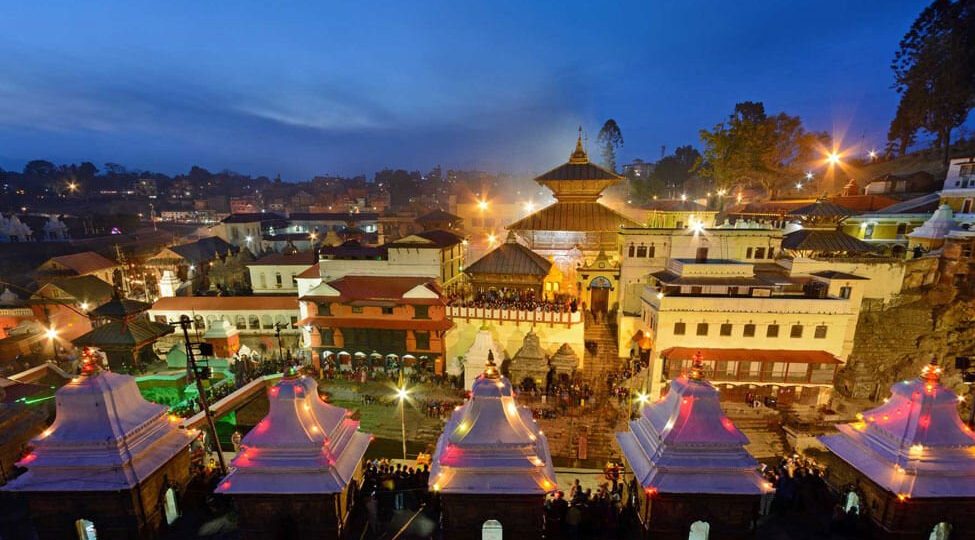
Electricity plays a crucial role in providing lighting to religious sites like Temples and Stupas, ensuring that both traditional and modern lighting systems coexist harmoniously. Traditional oil lamps, butter lamps, and candles continue to hold religious significance, while LED lights, solar-powered lighting, and automated systems are enhancing the beauty and efficiency of illumination at temples and stupas. Those sites should be highly illuminated at night time.
Definition of Spiritual Lighting

Spiritual Lighting refers to spiritual awakening, mental clarity, and achieving higher states of consciousness. It manifests both externally and internally:
External Spiritual Lighting → The tradition of lighting lamps, candles, or torches in temples, monasteries, churches, and other sacred places as a symbol of divine presence.
Internal Spiritual Lighting → Meditation, self-realization, acquisition of wisdom, and the flow of positive energy within oneself.
Spiritual lighting represents enlightenment, self-purification, and the realization of ultimate truth.
Sources of Spiritual Lighting
Spiritual light can be attained through various means. Some of the primary sources include:
(A) Vedic and Religious Sources
Sunlight → In Vedic scriptures, the Sun is considered the ultimate source of knowledge. The mantra “Tamaso Ma Jyotirgamaya” encourages one to move from ignorance to enlightenment.
Lamp Lighting (Deepa-Pradipana) → In Hindu, Buddhist, and other traditions, lighting lamps symbolizes the removal of ignorance.
Agnihotra (Sacred Fire Rituals) → Vedic traditions regard fire rituals as a means of environmental purification and spiritual upliftment.
Meditation and Yogic Practices
Brahmamuhurta Meditation: Meditating in the early morning enhances inner illumination.
Sahasrara Chakra Activation: In yoga, awakening the crown chakra is believed to bring self-realization.
Pranayama and Energy Flow: Breath control techniques help in the smooth flow of energy, promoting spiritual radiance.
Profound Knowledge and Study
Study of Sacred Texts: Reading scriptures like the Bhagavad Gita, Upanishads, Bible, or Quran provides spiritual insight.
Guidance from Spiritual Masters: Teachings from enlightened masters help in attaining wisdom.
Impacts of Spiritual Lighting
Mental and Emotional Effects
Develops positive thinking
Eliminates fear, stress, and confusion
Enhances self-confidence and inner peace
Physical Effects
Boosts immunity
Balances hormonal functions
Strengthens the nervous system and brain functions
Social Effects
Promotes harmony and ethical values
Encourages altruism and compassion
Strengthens family and community bonds
Importance of Spiritual Lighting in the Modern Era
In today’s technology-driven world, where people are increasingly focused on external advancements, the need for spiritual lighting is greater than ever. It helps in:
Stress Management: Spiritual practices enhance mental well-being.
Personal Growth: Encourages self-discipline and moral integrity.
Balanced Lifestyle: Helps maintain harmony between materialism and spirituality.
Ways to Attain Spiritual Lighting
Connecting with Nature: Absorbing sunlight, moonlight, and fresh air.
Practicing Yoga, Meditation, and Sadhana: Daily meditation purifies the mind and enhances self-awareness.
Performing Religious and Vedic Rituals: Engaging in daily prayers, fire rituals, and mantra chanting.
Engaging in Satsang and Spiritual Study: Reading enlightening books and participating in discourses.
Following a Healthy Lifestyle: Adopting Ayurveda-based routines, consuming Sattvik food, and waking up in Brahmamuhurta.
Conclusion
Spiritual lighting is the awakening of inner consciousness, purity, and wisdom. It is not just external brightness but the highest form of self-awareness that leads to peace, harmony, and progress. This can be achieved through meditation, yoga, spiritual gatherings, and a holistic lifestyle. By embracing spiritual light, one can illuminate not only their own life but also contribute to a balanced and enlightened society.
“Tamaso Ma Jyotirgamaya” – Let us move from darkness to the light of wisdom!
Spiritual Lighting in Nepal: Nepal Electricity Authority, Hindu Temples, and Buddhist Stupas
Nepal is a land of rich spiritual, cultural, and religious heritage. Hindu temples and Buddhist stupas are not only places of worship but also centers of spiritual enlightenment. The concept of Spiritual Lighting in these sacred sites symbolizes the illumination of wisdom, purity, and divine presence.
The Nepal Electricity Authority (NEA) plays a crucial role in providing electricity to these religious sites, ensuring that both traditional and modern lighting systems coexist harmoniously. Traditional oil lamps, butter lamps, and candles continue to hold religious significance, while LED lights, solar-powered lighting, and automated systems are enhancing the beauty and efficiency of illumination at temples and stupas.
This article explores the role of Nepal Electricity Authority, the spiritual lighting traditions in Hindu temples and Buddhist stupas, and the challenges and future strategies for balancing tradition with modern technology.
The Role of Nepal Electricity Authority (NEA) in Spiritual Lighting
NEA is responsible for ensuring a reliable power supply across Nepal, including religious and cultural heritage sites. Its role in spiritual lighting includes:
Ensuring a Stable Power Supply
Continuous electricity supply to major religious sites such as Pashupatinath Temple, Lumbini, Swayambhunath Stupa, and Boudhanath Stupa.
Promoting alternative energy sources like solar panels and backup generators to prevent power outages.
Special power supply management during major festivals and religious events.
Promoting Energy Efficiency and Modern Technology
Replacing traditional incandescent bulbs with energy-efficient LED lights to reduce electricity consumption.
Installing smart lighting systems such as motion sensor lights and automatic timers.
Using synchronized lighting displays for grand religious ceremonies.
Encouraging Green Energy (Sustainable Solutions)
Encouraging the use of solar-powered lighting in temples and stupas.
Collaborating with organizations like the Lumbini Development Trust to implement clean energy projects.
Utilizing hydroelectric power for a sustainable spiritual lighting system.
Spiritual Lighting in Hindu Temples in Nepal
Hindu temples in Nepal have a deep-rooted tradition of spiritual lighting, which symbolizes the triumph of knowledge over ignorance and good over evil.
Traditional Lighting Practices
Oil Lamp (Deepa Pradipana): Devotees light oil lamps in temples as an offering to deities.
Akhanda Deep (Eternal Flame): Some temples maintain continuously burning lamps as a symbol of divine energy.
Candle and Ghee Lamps: Devotees light candles or ghee lamps to seek blessings.
Modern Lighting Adaptations
With technological advancements, major Hindu temples in Nepal have embraced modern lighting solutions:
Pashupatinath Temple: Equipped with LED lighting and solar-powered lamps for nighttime illumination.
Manakamana Temple: Enhanced with electric lighting for better visibility and safety of pilgrims.
Ram Janaki Temple, Janakpur: Decorated with colorful LED lighting, especially during festivals.
Religious Significance
Lighting lamps is believed to remove negative energy and purify the surroundings.
Rituals like Aarti and Havan involve fire and light, reinforcing the connection between illumination and divinity.
Major Hindu festivals like Diwali and Maha Shivaratri witness temples adorned with thousands of lights.
Spiritual Lighting in Buddhist Stupas in Nepal
In Buddhism, light represents wisdom, enlightenment, and the path to Nirvana. Buddhist stupas and monasteries in Nepal incorporate both traditional and modern lighting systems.
Traditional Lighting Practices
Butter Lamps (Ghiu Batti): Buddhist devotees light butter lamps at stupas as an offering for peace and enlightenment.
Candle and Oil Lamps: Used for meditation and spiritual rituals.
Lighting during Buddhist Ceremonies: Special occasions such as Buddha Jayanti and Losar involve massive lamp offerings.
Modern Lighting in Buddhist Stupas
Many Buddhist sites in Nepal have integrated modern lighting techniques while preserving their traditional essence:
Swayambhunath Stupa: Enhanced with energy-efficient LED lighting and solar-powered illumination.
Boudhanath Stupa: Features vibrant light decorations during special Buddhist events.
Lumbini (Birthplace of Buddha): Uses eco-friendly lighting solutions to maintain a serene atmosphere.
Spiritual Significance of Light in Buddhism
Light is a metaphor for wisdom, removing the darkness of ignorance.
Meditation with candlelight helps in focusing the mind and attaining higher consciousness.
Lighting lamps is considered an act of merit, bringing good karma.
Challenges in Managing Spiritual Lighting
Unstable Energy Supply
Remote religious sites still face electricity shortages.
High energy consumption in large-scale lighting arrangements adds financial burdens.
Balancing Tradition and Modern Technology
The excessive use of artificial lights in religious sites might overshadow traditional deep-lamp culture.
Some communities resist modern lighting, fearing it may alter the sacred ambiance.
Environmental Impact
Overuse of electrical lighting increases energy consumption and carbon footprint.
Some decorative lighting materials contribute to non-biodegradable waste.
Solutions and Future Strategies
Promoting Renewable Energy: Encouraging the use of solar-powered and wind-powered lighting.
Energy Efficiency Programs: Implementing low-power LED and smart lighting systems.
Policy Development: Government and NEA should introduce subsidies and incentives for sustainable lighting in religious sites.
Awareness and Community Involvement: Educating religious organizations about energy-efficient and environmentally friendly lighting solutions.
Conclusion
Spiritual lighting in Nepalese Hindu temples and Buddhist stupas carries immense religious, cultural, and environmental significance. The Nepal Electricity Authority plays a vital role in ensuring the proper balance between tradition and modernity in lighting systems. By integrating traditional lamps with modern energy-efficient solutions, Nepal can preserve its rich spiritual heritage while embracing sustainable progress.
“Light is not just for visibility; it is a symbol of wisdom, peace, and spiritual awakening!”
“रात्रीमा मन्दिर / स्तुपाहरु झिलिमिलि हुनुपर्छ।”