

Table of Contents
Executive Summary

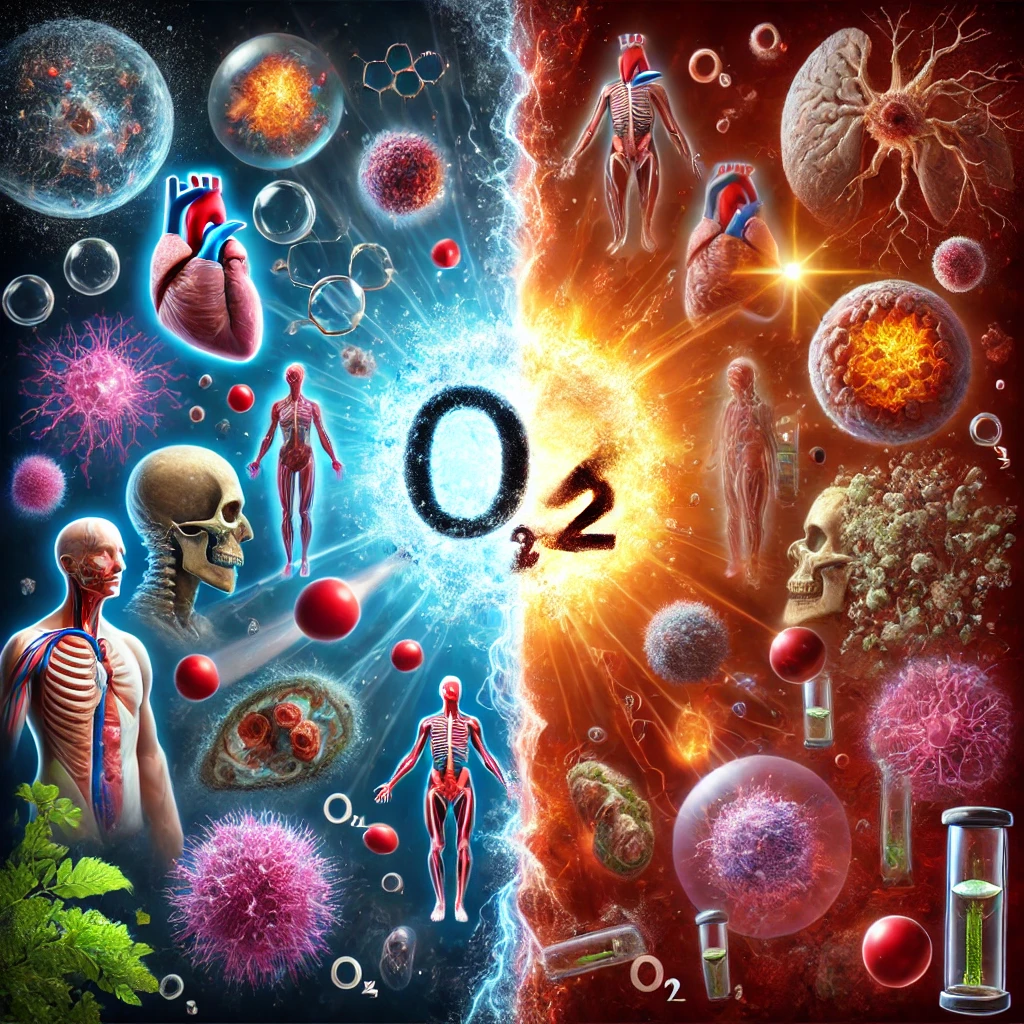
Oxygen Paradox is the hidden cause of aging. We are alive because of oxygen, but we also die because of it. The Creator has not made us immortal-we die a little every day. Our bodies gradually decay and degrade over time. When we breathe in oxygen, we consume it. The food we eat is converted into glucose, which is then transferred to our cells through the bloodstream. Inside the cell, there is a structure called mitochondria, known as the powerhouse of the cell, where energy is produced.
However, along with energy, another element is formed that should not be-free radicals. Every time we breathe, energy is generated, but so are free radicals. It is similar to lighting a fire-sparks fly out. Imagine a carpet lying nearby; if a spark falls on it, a small burn mark appears. A few scattered sparks may not be noticeable, but if too many sparks are produced, the carpet will eventually catch fire and be destroyed. This is how diseases develop.
Where does the disease originate? What triggers it? The culprit is free radicals.
Introduction
Oxygen (O₂) is essential for life on Earth. It plays a crucial role in cellular respiration, providing energy for various physiological functions. However, the same oxygen that sustains life can also contribute to cellular damage and aging through the production of reactive oxygen species (ROS). This dual nature of oxygen is referred to as the “Oxygen Paradox.”
Definition of the Oxygen Paradox
The Oxygen Paradox describes the contradictory nature of oxygen: while it is indispensable for life, its excessive presence can cause oxidative stress, cellular damage, aging, and various diseases.
The Dual Role of Oxygen
Life-Sustaining Functions of Oxygen
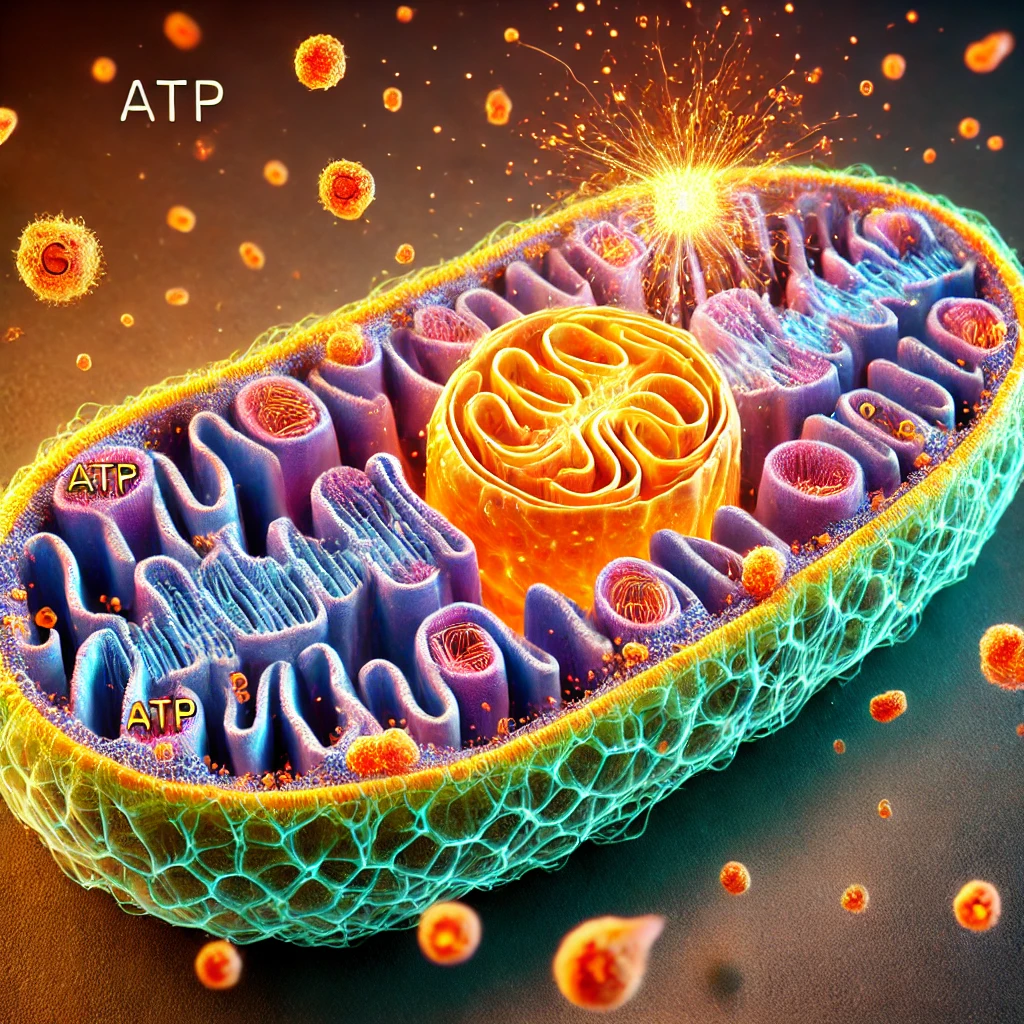
Oxygen is a key component of cellular respiration in mitochondria, where it helps produce ATP (adenosine triphosphate), the energy currency of cells.
It is vital for brain function, muscle activity, and overall metabolic processes.
Oxygen is necessary for immune responses, including the destruction of pathogens by immune cells.
Harmful Effects of Oxygen
(Reactive Oxygen Species – ROS)
During oxygen metabolism, unstable molecules known as Reactive Oxygen Species (ROS) are generated.
These ROS (such as superoxide anion, hydrogen peroxide, and hydroxyl radical) are highly reactive and can damage DNA, proteins, and cell membranes.
Long-term oxidative stress is linked to aging, cancer, cardiovascular diseases, and neurodegenerative disorders (such as Alzheimer’s and Parkinson’s disease).
Oxygen Paradox and Human Health
Oxidative Stress and Diseases
Cardiovascular Diseases: Oxidative stress contributes to atherosclerosis, where arteries become narrowed due to plaque buildup.
Cancer: ROS can cause DNA mutations, leading to uncontrolled cell growth and cancer development.
Neurodegenerative Diseases: Oxidative stress damages neurons, playing a key role in conditions like Alzheimer’s and Parkinson’s disease.
Oxygen Toxicity
Prolonged exposure to high oxygen levels can cause pulmonary toxicity (lung damage) and neurological toxicity (nerve damage).
In premature infants, excessive oxygen can lead to Retinopathy of Prematurity (ROP), a condition affecting eye development.
Strategies to Mitigate the Oxygen Paradox
Role of Antioxidants
Antioxidants neutralize ROS and protect cells from oxidative damage. Important antioxidants include:
Vitamin C, Vitamin E, Glutathione, and Coenzyme Q10
Antioxidant-rich foods such as green leafy vegetables, fruits, and herbs should be included in the diet.
Yoga and Ayurvedia Approaches
Pranayama (breathing exercises) and meditation regulate oxygen utilization and reduce oxidative stress.
Medicinal herbs like Aamalaki, Panchapanchamool, Ashwagandha, Brahmi, Tulsi, and Guduchi have antioxidant properties.
Ayurveda lifestyle principles emphasize balanced nutrition, exercise and Sattvik behavior to maintain cellular health and reduce oxidative damage.
Conclusion
The Oxygen Paradox highlights the necessity of oxygen for life while emphasizing the dangers of excessive oxygen exposure. By adopting scientific, Ayurvedic, and lifestyle-based approaches, oxidative stress can be minimized, leading to healthier aging and disease prevention.
References
Halliwell B, Gutteridge JMC. Free Radicals in Biology and Medicine.
Harman D. Aging: A Theory Based on Free Radical and Radiation Chemistry.
Ayurveda Classical Texts: Charaka Samhita, Sushruta Samhita.
Final Thought
Oxygen is essential for survival, but its uncontrolled effects can be harmful. A well-balanced approach, including antioxidants, Ayurveda and modern lifestyle U-turn to Ayurveda lifestyle can help mitigate the Oxygen Paradox and promote overall well-being.
Ageing as per Ayurveda
वाल्य वृद्धि छवि मेधा त्वक दृष्टि शुक्र विक्रमौ । बुद्धि कर्मेन्द्रिया चेति जीवितो दशमो ह्रसेत ।
Bālya Vṛddhi Chhavi Medhā Tvak Dṛṣṭi Śukra Vikramau |
Buddhi Karmendriyā Cheti Jīvito Daśamo Hraset ||
This Ayurvedic verse describes ten fundamental aspects of life that determine health, longevity, and vitality. If any of these ten aspects diminish, it signifies a decline in life force. Each of these elements plays a vital role in maintaining physical, mental, and spiritual well-being.
This article will explore each component in detail, discussing its significance in Ayurveda, lifestyle management, and preventive measures.
Bālya (Childhood/Infancy)
Bālya refers to childhood, a crucial stage where physical and mental development occurs rapidly. Proper nutrition, care, and a natural lifestyle are essential for optimal growth.
Ayurvedic Measures:
Swarnaprashana: Administration of gold-based herbal formulations for memory, immunity, and strength.
Nutritional Support: Consumption of milk, ghee, honey, and sattvic food.
Moral and Ethical Training: Teaching children discipline, values, and spiritual inclination.
Vṛddhi (Growth & Development)
Vṛddhi signifies overall physical, mental, and intellectual development. Balanced nutrition, proper exercise, and a disciplined routine help in healthy growth.
Ayurvedic Measures:
Following a disciplined diet and lifestyle.
Practicing yoga and pranayama to enhance overall growth.
Regular exercise and adherence to daily regimens (Dinacharya).
Chhavi (Luster/Glow)
Chhavi refers to the natural glow and radiance of a person, which indicates good health and strong immunity. The loss of luster signifies internal health issues or imbalance in bodily humors (Doshas).
Ayurvedic Measures:
Consuming fresh and organic foods.
Using herbal skin treatments like turmeric, sandalwood, and rose water.
Practicing meditation and maintaining mental peace.
Medhā (Intellect & Memory)
Medhā represents intelligence, memory, and cognitive abilities. This can be enhanced through meditation, mindfulness, and the use of Ayurvedic herbs.
Ayurvedic Measures:
Consumption of Brahmi, Shankhpushpi, and Mandukaparni.
Studying and meditating during Brahma Muhurta (pre-dawn hours).
Following a pure, disciplined, and positive mindset.
Tvak (Skin Health)
Healthy skin reflects good digestion, proper nutrition, and effective detoxification. Deterioration of skin quality indicates internal imbalances.
Ayurvedic Measures:
Regular intake of ghee for internal nourishment.
Oil massage (Abhyanga) using sesame, Brahmi, or Narayana oil.
Cleansing the skin with herbal treatments and proper hydration.
Dṛṣṭi (Vision & Eye Health)
Dṛṣṭi denotes eye health and visual perception. Factors like stress, an imbalanced diet, and excessive screen exposure can lead to its decline.
Ayurvedic Measures:
Washing eyes with Triphala water.
Using cooling eye washes and herbal remedies.
Consuming vitamin A-rich foods like carrots, amla, and green vegetables.
Śukra (Reproductive Strength & Vitality)
Śukra refers to reproductive strength, semen, and overall vitality. It is essential for progeny and overall health.
Ayurvedic Measures:
Herbal supplements like Ashwagandha, Shatavari, and Gokshura.
Maintaining celibacy (Brahmacharya) and controlled lifestyle habits.
Balanced diet, adequate sleep, and avoiding stress.
Vikrama (Physical Strength & Stamina)
Vikrama represents one’s strength, energy, and stamina. It includes both physical endurance and mental resilience.
Ayurvedic Measures:
Regular physical exercise and yoga.
Consumption of energy-boosting foods like ghee, milk, nuts, and dates.
Developing self-discipline and resilience through a balanced lifestyle.
Buddhi (Wisdom & Analytical Ability)
Buddhi signifies intellect, reasoning, and decision-making capacity. Decline in Buddhi can lead to poor judgment and lack of clarity.
Ayurvedic Measures:
Use of brain-enhancing herbs like Brahmi and Shankhpushpi.
Practicing meditation and engaging in intellectual discussions.
Maintaining adequate sleep and reducing stress.
Karmendriya (Motor Functions & Sensory Control)
Karmendriya refers to the ability to perform actions effectively. It includes motor control, coordination, and bodily functions.
Ayurvedic Measures:
Regular practice of Ashtanga Yoga and Pranayama.
Maintaining discipline and self-restraint in sensory pleasures.
Focusing on spiritual upliftment and controlled indulgence.
Conclusion
These ten factors form the foundation of health and longevity in Ayurveda. Their depletion signifies a decline in vitality and overall well-being. Ayurveda provides practical approaches to preserve and enhance these aspects through proper nutrition, disciplined living, yoga, meditation, and the use of specific herbs. By maintaining balance in these ten elements, one can achieve a long, healthy, and fulfilling life.
Oxygen Paradox Oxygen Paradox Oxygen Paradox Oxygen Paradox