

Table of Contents

Quality Foods are one of the fundamental necessities of human life, and its quality directly impacts health and well-being. The quality of food is determined by various natural and environmental factors, among which air, water, soil (land), and time play crucial roles. These four elements influence the nutritional value, taste, purity, medicinal properties, and long-term effects of food.
Role of Air
Quality Foods :Role of Air, Water, Soil (Land) and Time. Air (atmospheric conditions) is a significant factor affecting food quality.
Air Purity and Pollution
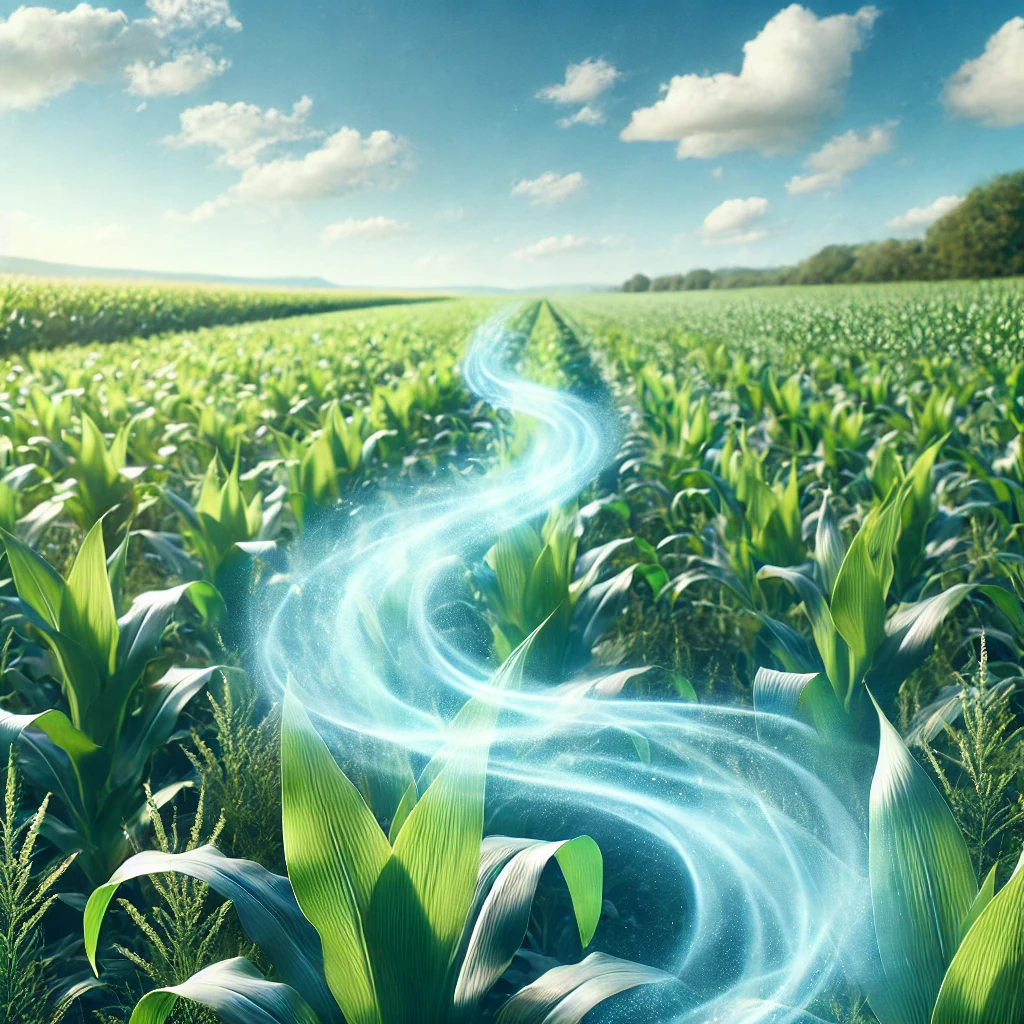
Clean air provides essential gases like oxygen and carbon dioxide, which are necessary for photosynthesis and plant growth.
Air pollution (from industries, vehicles, and chemicals) can introduce toxic substances such as heavy metals (lead, mercury, cadmium) and harmful compounds (pesticides, dioxins) into crops, making them unsafe for consumption.
Humidity and Temperature
Air humidity and temperature affect crop growth, resistance to diseases, and overall yield.
Excessive humidity promotes fungal and bacterial growth, degrading food quality.
Dry and excessively hot winds can dehydrate the soil and weaken crops.
Role of Water
Quality Foods :Role of Air, Water, Soil (Land) and Time. Water is a crucial element for all living beings and plays a vital role in food production.
Water Purity

The mineral content in water (calcium, magnesium, iron, zinc) determines the nutritional value of food.
Contaminated water (containing arsenic, fluoride, nitrates, heavy metals) can lead to toxic food production, posing serious health risks.
Irrigation and Crop Growth
Proper irrigation maintains soil fertility and boosts crop productivity.
Irregular water supply (too much or too little) disrupts plant growth and reduces food quality.
Climate Change and Water Scarcity
Climate change has led to decreasing water sources, negatively affecting food production.
Industrial waste, plastic pollution, and excessive use of chemical fertilizers and pesticides are deteriorating water quality.
Role of Soil (Land)

Quality Foods :Role of Air, Water, Soil (Land) and Time. Soil is the foundation of food production. The fertility, physical properties, and biological composition of soil directly impact the quality of food.
Soil Fertility and Nutrient Content
Soil rich in essential nutrients (nitrogen, phosphorus, potassium, micronutrients) produces more nutritious crops.
Overuse of chemical fertilizers and pesticides damages soil health, reducing food quality.
Soil Types and Farming Practices
Different soil types (sandy, loamy, clayey, black, red) have unique properties affecting crop nutrition.
Organic, nutrient-rich soil enhances the flavor, nutritional value, and medicinal properties of food.
(c) Soil Conservation and Pollution
Soil erosion and land degradation decrease productivity.
Industrial waste, plastic residues, and excessive use of synthetic chemicals lead to soil contamination, making food unsafe.
Role of Time

Quality Foods :Role of Air, Water, Soil (Land) and Time. Time (seasonal cycles, harvesting period, maturity duration) significantly affects food quality.
Seasonal Cycles and Food Quality
Each crop has its natural growing season (seasonality).
Seasonal crops are more flavorful, nutritious, and medicinally beneficial.
Harvesting Time and Maturity
Properly matured crops have higher nutritional value.
Prematurely harvested or over-stored crops may lose essential nutrients.
Storage Time and Food Quality
Long-term storage can cause moisture changes, fungal growth, pest infestation, and nutrient loss.
Naturally dried and properly stored food retains its quality for a longer time.
Conclusion
Quality Foods :Role of Air, Water, Soil (Land) and Time. Air, water, soil, and time are fundamental factors in determining food quality.
Clean air, pure water, fertile soil, and appropriate timing produce healthy, flavorful, and nutrient-rich food.
Pollution, chemical contamination, soil degradation, and improper timing reduce food quality and pose health risks.
Adopting sustainable farming practices, such as organic farming, can help maintain food purity and nutritional value.
Recommendations:
Control air pollution – Promote organic farming, reduce carbon emissions.
Purify water sources – Use clean irrigation practices, minimize chemical contamination.
Conserve soil fertility – Use organic compost, green manure, and maintain soil biodiversity.
Follow seasonal farming – Grow crops in their natural season, harvest at the right time, and use proper storage techniques.
Quality Foods :Role of Air, Water, Soil (Land) and Time. By managing these four key elements wisely, we can ensure high-quality food production, promote better health, and prevent non-communicable diseases.
Quality Foods :Role of Air, Water, Soil (Land) and Time Quality Foods :Role of Air, Water, Soil (Land) and Time