Table of Contents

Parenting is the act of raising a child, providing care and supporting their development. It plays a crucial role in the overall development of a child. The way parents raise their children has a direct impact on their mental, physical, social, and emotional growth. According to psychologists, the styles can be categorized into four main types. This article will explore these parenting styles, their characteristics, effects, and their significance in the context of Nepal.
Types of Parenting Styles
The well-known psychologist Diana Baumrind classified parenting styles in the 1960s, which were later refined by other psychologists. Currently, four major parenting styles are recognized:
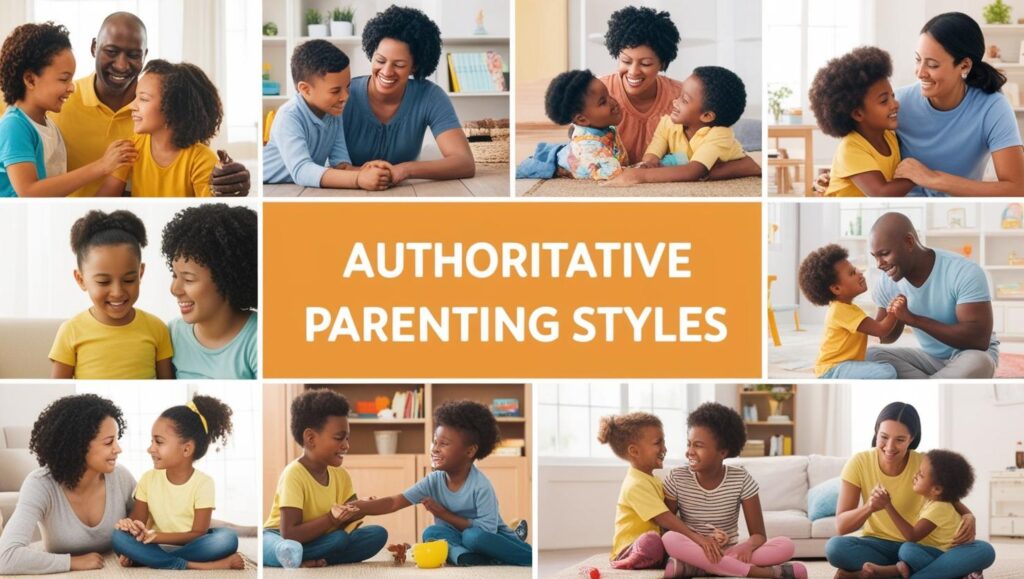
Authoritative Parenting Style
Parents with this style strike a balance between rules, discipline, and affection. They encourage independence in their children while setting clear boundaries.
Characteristics
Provide warmth and love while ensuring children’s needs are met.
Set clear rules and explain the reasons behind them.
Listen to children’s opinions and involve them in decision-making.
Offer guidance and provide opportunities for correction rather than punishment.
Impact
Children tend to be independent, self-confident, and socially competent.
Higher academic achievements are often observed.
Children are less likely to suffer from mental health issues such as anxiety or depression.
Authoritarian Parenting Style

This style focuses heavily on strict rules and obedience. Children’s thoughts, feelings, and preferences are given less importance.
Characteristics
Enforce rules without flexibility or negotiation.
Give commands rather than explanations.
Use harsh punishments for mistakes or disobedience.
Show little warmth or affection.
Impact
Children may be obedient but often lack self-confidence and independence.
They might struggle with self-expression and may be prone to anxiety.
In some cases, they may develop rebellious behaviors.
Neglectful Parenting Style

Neglectful parents are often uninvolved and unresponsive to their children’s needs. They show little interest in their children’s emotional, physical, or social development.
Characteristics
Lack of attention to children’s basic needs.
Limited interaction and engagement in children’s lives.
Children are left to raise themselves with minimal guidance.
Impact
Children may develop low self-esteem and lack of confidence.
Poor academic performance and social adjustment issues are common.
Children may struggle with emotional regulation and exhibit behavioral problems.
Permissive Parenting Style
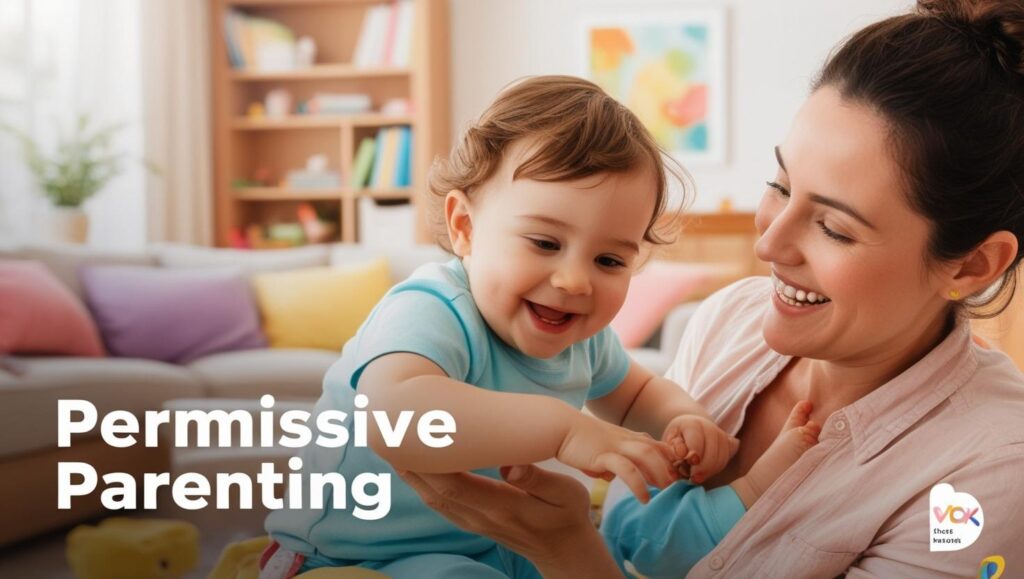
Permissive parents are highly nurturing but offer few rules or boundaries. They tend to allow children to do what they want without setting firm limits.
Characteristics
Give in to children’s desires and demands.
Set few or no rules or boundaries.
May indulge children’s whims without consequence.
Focus more on being a friend than a parent.
Impact
Children may lack discipline and struggle with authority.
They may have difficulty delaying gratification and making long-term plans.
Some may become spoiled, demanding, or overly dependent.
The Context of Nepal
In Nepal, the approach varies widely based on family structure, cultural values, social environment, and economic status. Traditionally, the Authoritarian style is more common, where parents enforce strict rules and have a top-down approach to raising children. However, in recent years, there has been an increase in the adoption of the Authoritative style, especially in urban areas.
Shifting Parenting Styles in Nepal
As access to education has increased, more parents in Nepal are moving towards Authoritative parenting, which emphasizes balanced discipline and nurturing.
With the rise of technology, some parents may unintentionally adopt a Neglectful style, paying less attention to their children’s emotional or academic needs.
In urban areas, there is a trend towards Permissive parenting, where children are given more freedom, and rules may not be strictly enforced.
Which Parenting Style is Ideal?
Research has shown that the Authoritative is generally the most effective. This style fosters independence, responsibility, and mental well-being in children.
Tips for Effective Parenting:
Show love and affection, but also set clear boundaries and rules.
Listen to your children and engage in open communication.
Set rules but explain the reasons behind them.
Balance rewards and consequences.
Regularly check on your child’s emotional and mental well-being.
Conclusion
A child’s future is greatly influenced by their family environment and the parenting style adopted by their caregivers. By choosing the right approach to parenting, children can develop into self-reliant, disciplined, and mentally stable individuals. In a culturally diverse country like Nepal, balancing traditional and modern parenting styles is essential. Therefore, adopting an Authoritative approach, which blends guidance, affection, and discipline, is a key to becoming a successful parent.