Table of Contents
Rectal Prolapse:गुदद्वारको अंश बाहिर निस्कने समस्या

Rectal prolapse is when part of the rectum bulges out of the anus. At first, a prolapse may happen only after a bowel movement. The prolapsed part of the rectum may then slip back through the anal canal on its own. Over time, the prolapse may become more severe and may need surgery.

Rectum is the final part of the digestive system that helps in the excretion of stool. When a part or the entire rectum protrudes out of the anus, this condition is known as Rectal Prolapse. It is commonly seen in Child & elderly individuals, people with malnutrition, chronic constipation, pregnant women, and those with weak pelvic muscles.
Types of Rectal Prolapse
Rectal Prolapse is classified into three types:
Partial Prolapse (Mucosal Prolapse)
Only the inner lining (mucosa) of the rectum comes out.
More common in young children.
Complete Prolapse (Full-Thickness Prolapse)
The entire rectal wall protrudes through the anus.
More common in elderly individuals.
Internal Prolapse (Intussusception)
The rectum folds inward on itself but does not exit through the anus.
Common in children.
Causes of Rectal Prolapse
Several factors contribute to rectal prolapse:
Digestive System-Related Causes
Chronic constipation
Frequent diarrhea
Excessive straining during bowel movements
Weak Muscles and Nerve Dysfunction
Weak pelvic floor muscles and anal sphincter
Post-pregnancy muscle weakening in women
Spinal cord injuries or neurological disorders
Other Contributing Factors
Chronic diseases like COPD, Parkinson’s Disease
Aging
Congenital abnormalities
Symptoms of Rectal Prolapse
A visible mass protruding from the anus (especially during bowel movements)
Discomfort or pain while sitting or defecating
Itching or irritation around the anus
Difficulty in passing stool (feeling of incomplete evacuation)
Mucus or blood discharge from the anus
Fecal incontinence (inability to control bowel movements)
Diagnosis
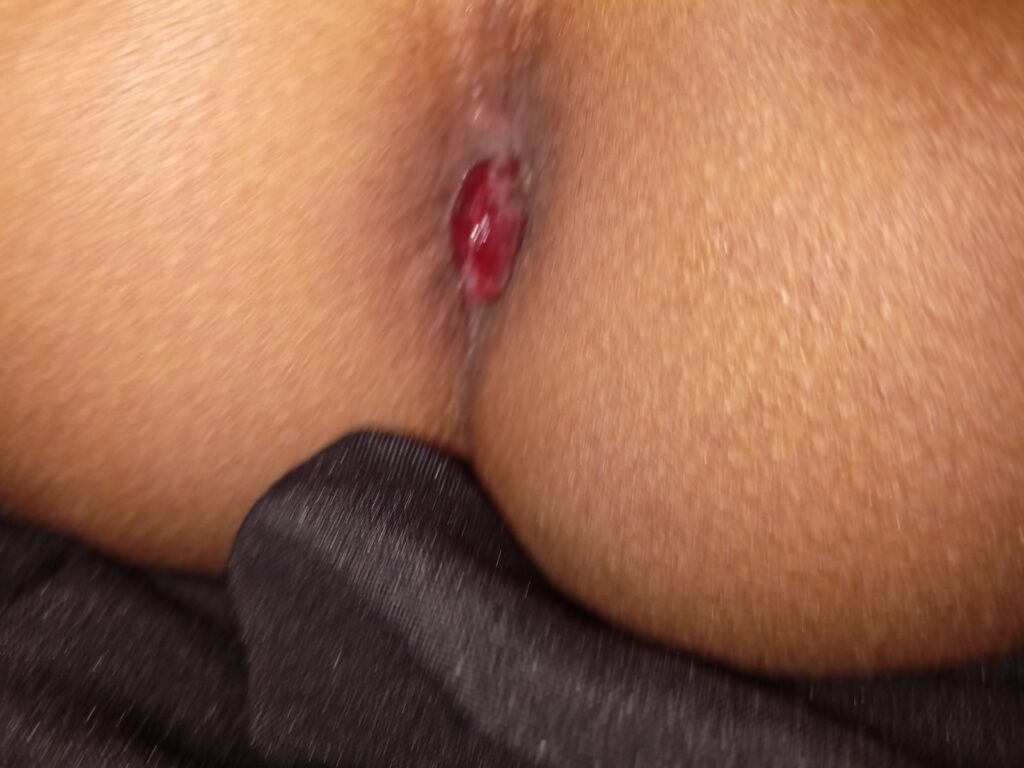
To confirm rectal prolapse, the following diagnostic tests are performed:
Physical Examination
The patient is asked to squat or strain as if defecating to observe the prolapse.
Imaging Tests
Defecography (X-ray or MRI): Assesses rectal movement during defecation.
Colonoscopy: Rules out other conditions like polyps or cancer.
Treatment Approaches
Treatment depends on the severity of the condition, patient’s age, and associated complications.
Conservative Management
For mild cases, lifestyle modifications can help:
Dietary Changes
High-fiber diet (whole grains, green vegetables, fruits)
Adequate water intake
Exercise & Yoga
Pelvic floor strengthening exercises (Kegel exercises)
Regular walking and stretching
Healthy Bowel Habits
Avoid prolonged sitting in the toilet
Minimize excessive straining
Medical Treatment
Laxatives or stool softeners for constipation
Anti-inflammatory or antibiotic medications for infection or inflammation
Surgical Treatment
In severe cases, surgery may be required:
Rectopexy – The rectum is repositioned and attached inside the abdomen.
Perineal Surgery – Removal of the prolapsed part via the anus.
Laparoscopic Surgery – Minimally invasive modern surgical approach.
Ayurveda Management
To improve digestion: Triphala Churna, Haritaki, Isabgol (Psyllium husk)
To strengthen muscles: Ashwagandha, Shatavari, Chyawanprash
Basti Therapy (Medicated Enema): Dashamool Basti, Tikta Ghrita Basti
Local Applications: Sesame oil or ghee for lubrication and healing
Yoga Asanas: Mula Bandha, Ashwini Mudra, Viparita Karani

Prevention Strategies
High-fiber diet to avoid constipation
Sufficient water intake
Regular yoga and physical exercise
Proper management of chronic diseases
Avoid excessive straining during bowel movements
Conclusion
Rectal Prolapse is a serious yet treatable condition. Early awareness, lifestyle modifications, and proper treatment can help prevent complications. Ayurveda approaches combined with a balanced lifestyle can aid in both prevention and recovery.
Changeri Ghrita: चाङ्गेरी घृत
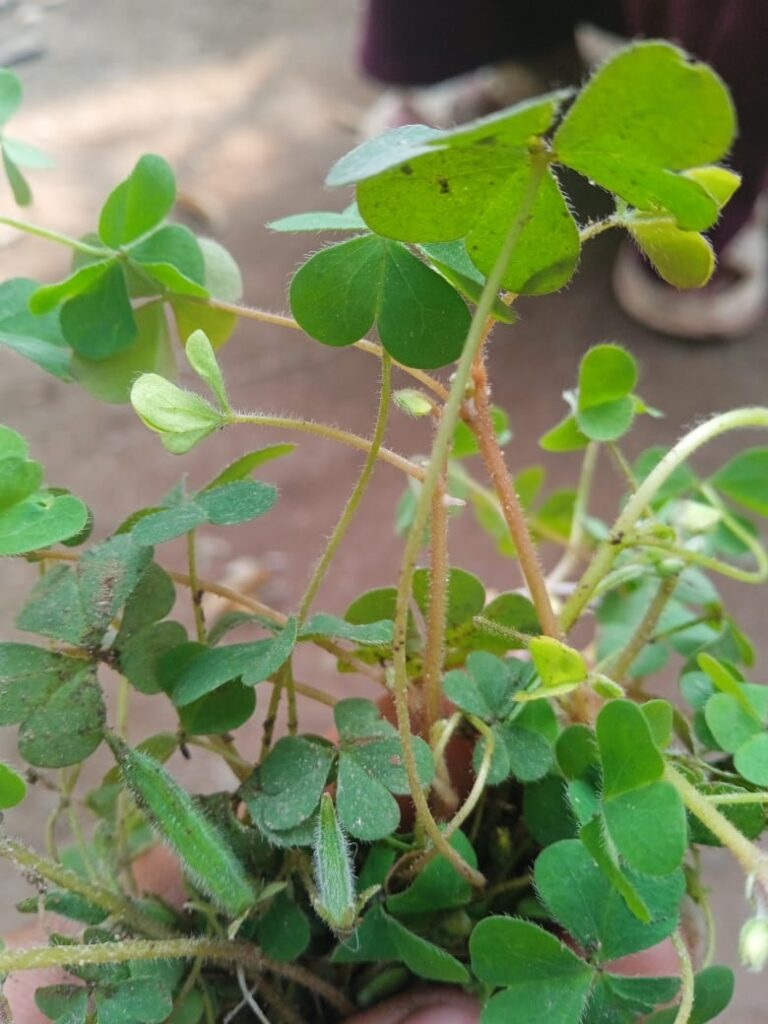
Take equal quantities (each 1 Pala ≈ 4 Tola) of Pippali (Long Pepper), Pippalimula (Root of Long Pepper), Chitraka (Root of Chitraka), Gajapippali, Gokshura (Small Caltrops), Shunthi (Dried Ginger), Dhania (Coriander), Patha, Baelgiri (Bael Fruit), and Yavani (Ajwain). Grind them into a paste (Kalka).
Take 64 Pala (approximately 3 Ser 16 Tola) of ghee.
Take four times the amount of ghee (12 Ser 3 Paw 4 Tola) of Changeri (Chrimlo) juice.
Take four times the amount of ghee of curd.
Mix all the ingredients together and cook over a low flame until the medicated ghee is properly prepared.