

Table of Contents

Ayurveda Health, the science of life, focuses on maintaining the balance of the body’s humors to prevent imbalances and promote overall well-being.
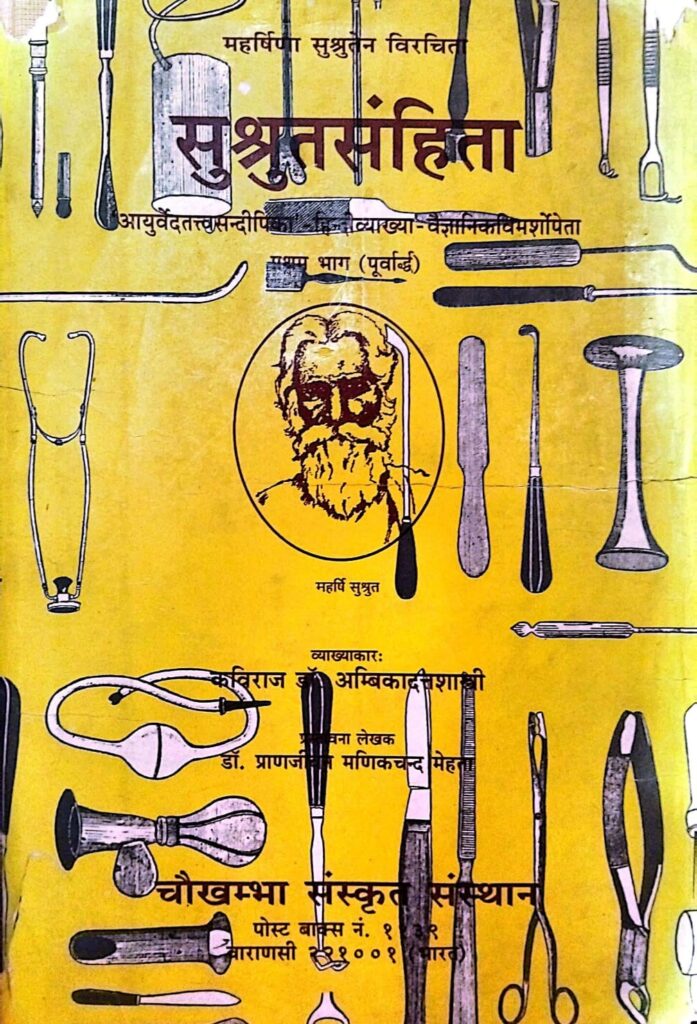
Sushruta Samhita
समदोषः समाग्निश्च समधातु मलक्रियाः।
प्रसन्नात्मेन्द्रियमनाः स्वस्थः इत्यभिधीयते ॥
“Samadoshah Samagnishcha Samadhatu Malakriyah. Prasannatmeendriyamanah Svasthah Ityabhidhiyate.”
This verse is a foundational definition of health in Ayurveda, encapsulating the key factors that determine the state of well-being. It mentions the balance of the Dosha, Agni (digestive fire), Dhatu (tissues), Mala (wastes), and the mental and sensory state, which are essential components of health in Ayurveda.
Sama Dosha (Balance of Dosha)
Ayurveda Health is maintaining Balance in the Body from Imbalance. In Ayurveda, the three Dosha (Vata, Pitta, and Kapha) are the fundamental forces or energies that govern bodily functions.
Vata: Associated with the air and space elements, Vata controls movement, circulation, respiration, and elimination.
Pitta: Associated with the fire element, Pitta governs digestion, metabolism, and energy transformation.
Kapha: Associated with earth and water, Kapha provides structure, lubrication, and nourishment to the body.
When these Dosha are in balance, the body functions optimally. Any imbalance in these Dosha can lead to disease.
Sama Agni (Balanced Agni)
Ayurveda Health is maintaining Balance in the Body from Imbalance. Agni refers to the digestive fire, which is responsible for the proper digestion and assimilation of food. In Ayurveda, balanced Agni is considered one of the most important factors for maintaining health. When Agni is balanced, digestion is strong, and the body is capable of absorbing nutrients efficiently. An imbalanced Agni leads to indigestion, toxin accumulation (Aama), and various diseases.
Sama Dhatu (Balanced Dhatu)
Ayurveda Health is maintaining Balance in the Body from Imbalance. Dhatu are the seven tissues of the body that are responsible for maintaining structure, function, and vitality. These tissues are:
Rasa (plasma)
Rakta (blood)
Mamsa (muscles)
Meda (fat)
Asthi (bone)
Majja (bone marrow and nervous tissue)
Shukra (reproductive tissue)
When these Dhatu are balanced and well-nourished, they contribute to overall health. Imbalances in these tissues lead to various physical disorders.
Mala Kriya (Proper Excretion)
Ayurveda Health is maintaining Balance in the Body from Imbalance. Mala are the waste products of the body, such as urine, feces, sweat, and toxins. In Ayurveda, the proper elimination of these wastes is essential for maintaining health. If the waste products are not eliminated properly, they can accumulate and cause imbalances or disease in the body.
Prasanna Aatma Indriya Mana (Clear and Balanced Mind and Senses):
A healthy person is one whose mind and senses are in a state of balance and clarity. This includes mental health, emotional well-being, and sensory perception (vision, hearing, taste, etc.). A calm, balanced, and clear mind plays a crucial role in physical health, as mental stress can lead to physical ailments. Similarly, the proper functioning of the senses ensures a harmonious connection with the external world.
Ayurveda Definition of Health postulated by Acharya Sushruta
The verse defines a healthy person as one whose doshas (body humors), Agni (digestive fire), Dhatu (tissues), Mala (wastes), and mental and sensory functions are all in balance. In Ayurveda, health is not just the absence of disease but a state of complete physical, mental, and emotional well-being.
Conclusion
To be truly healthy in Ayurveda, one must maintain balance in all aspects of life-physical, mental, and spiritual. This balance can be achieved through a proper diet, daily routines (Dinacharya), seasonal routines (Ritucharya), regular cleansing, stress management, and spiritual practices.
Therefore, according to this Ayurveda definition, health is a dynamic and holistic state of equilibrium between the body, mind, and environment. This approach emphasizes the importance of living in harmony with nature and one’s own body to maintain long-term health.
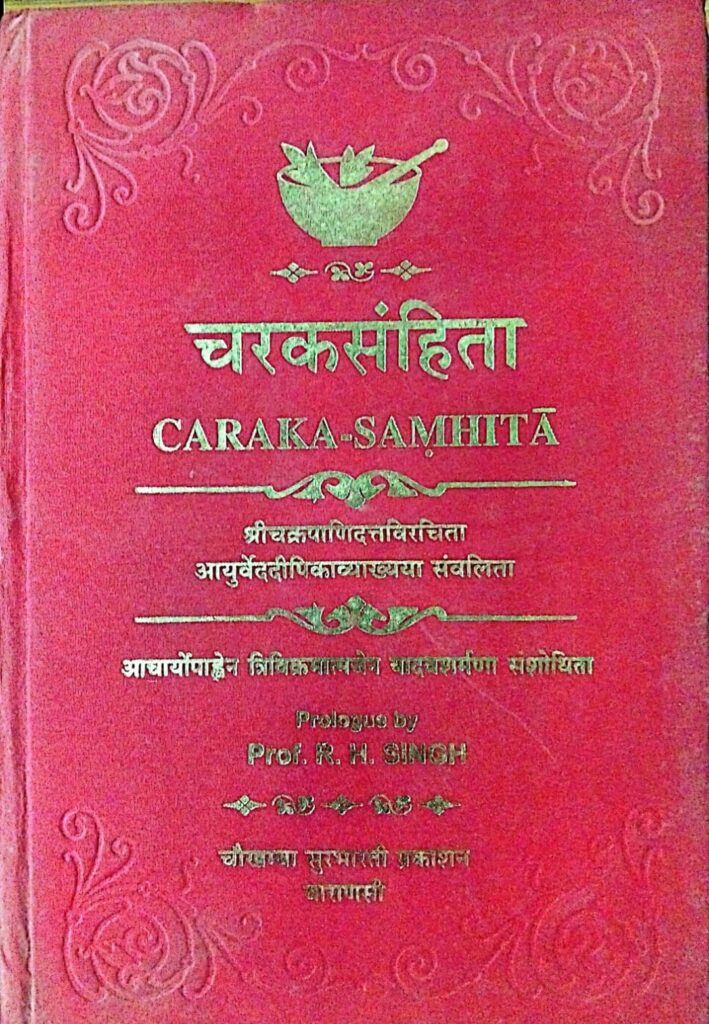
Charaka Samhita
सममांसप्रमाणस्तु समसंहननो नरः।
दृढेन्द्रियो विकाराणां न बलेनाभिभूयते॥१८॥
क्षुत्पिपासातपसहः शीतव्यायामसंसहः।
समपक्ता समजरः सममांसचयो मतः॥१९॥
Samamamsapramana
Ayurveda Health is maintaining Balance in the Body from Imbalance. Ayurveda provides a detailed analysis of human physiology, health, and well-being through various perspectives. The above-mentioned verses from the Charaka Samhita describe the characteristics of an individual with Samamamsapramana (balanced musculature). This concept is closely associated with health, immunity, and lifestyle.
Samasanhana and Physical Balance
According to the verse, a person with Samasanhana possesses a well-proportioned body where all body parts develop in harmony. Such individuals have a balanced physique, making them resilient against diseases and disorders.
Strong Sensory Organs and Immunity
Ayurveda Health is maintaining Balance in the Body from Imbalance.. A Sama Mamsa Pramana individual has Dridhendriya (strong sensory organs), which means they can perceive sounds, sights, smells, tastes, and touch with clarity. Additionally, they are not easily affected by external disorders (Vikara), indicating a strong immune system.
Natural Tolerance and Endurance
The verse highlights three major types of endurance:
Tolerance to hunger and thirst (Kshutpipasa-saha): The ability to withstand prolonged hunger and thirst.
Tolerance to heat (Tapa-Saha) and Difficult Situations: The ability to endure high temperatures and heat as well as difficult situations of life.
Tolerance to cold and exercise (Sheeta-Vyayama-Samsaha): The ability to withstand cold weather and physical exertion.
These attributes indicate strong immunity, robust digestion, and mental stability.
Balanced Digestion and Aging
Ayurveda Health is maintaining Balance in the Body from Imbalance. Samapakta: Proper distribution and assimilation of nutrients in the body.
Samajara: Balanced aging process, ensuring smooth and natural progression of bodily development over time.
Proper Muscle Mass and Longevity
Ayurveda Health is maintaining Balance in the Body from Imbalance. Sama Mamsa Chaya refers to the ideal proportion of muscle mass in the body—neither excessive fat accumulation nor excessive thinness. Such individuals are likely to maintain long-term health and vitality.
Conclusion
The concept of Sama Mamsa Pramana aligns with modern health principles of balanced body composition and overall well-being. Achieving this state requires a proper diet, regular exercise, and a disciplined daily routine. By following the guidelines mentioned in the Charaka Samhita, one can lead a long, healthy, and fulfilling life.
कार्य धातुसाम्यं, तस्य लक्षणं विकारोपशमः । परीक्षा त्वस्य – रुगपशमनं, स्वरवर्णयोगः, शरीरोपचयः, बलवृद्धिः, अभ्यवहार्याभिलाषः, रुचिराहारकाले, अभ्यवहृतस्य चाहारस्य काले सम्यग्जरणं, निद्रालाभो यथाकालं, वैकारिकाणां च स्वप्नानामदर्शनं, सुखेन च प्रतिबोधनम्, वातमूत्रपुरीषरेतसां मुक्तिः, सर्वाकारैर्मनोबुद्धीन्द्रियाणां चाव्यापत्तिरिति ।। ८९ ।।
According to Ayurveda, the health of an individual is determined by the balance (Samya) of the body’s fundamental tissues (Dhatus). Any imbalance in these tissues leads to disorders (Vikaras), while their equilibrium ensures overall well-being. The verse from Charaka Samhita describes the definition, signs, and assessment of Dhatu Samya and its role in maintaining health.
Dhatu Samya (Balance of Body Tissues)
Ayurveda Health is maintaining Balance in the Body from Imbalance. Ayurveda identifies seven primary Dhatus (tissues) that form the structural and functional components of the body:
Rasa (Plasma & Lymph)
Rakta (Blood)
Mamsa (Muscle Tissue)
Meda (Fat Tissue)
Asthi (Bone Tissue)
Majja (Bone Marrow & Nervous Tissue)
Shukra (Reproductive Tissue)
When these Dhatus remain in a state of equilibrium, the body functions optimally, and the person enjoys good health.
Signs of Dhatu Samya (Indicators of Balanced Health)
An individual with Dhatu Samya exhibits the following characteristics:
Vikara-Upashamana (Disease Resistance & Healing)
Ayurveda Health is maintaining Balance in the Body from Imbalance. The body can naturally resist diseases or recover quickly with proper treatment.
Strong immune function is evident.
Rug-Upashamana (Relief from Pain or Discomfort)
Ayurveda Health is maintaining Balance in the Body from Imbalance. If any illness or discomfort arises, it is resolved efficiently.
There is minimal experience of physical or mental distress.
Swara-Varna-Yogah (Healthy Voice & Complexion)
The voice remains clear, melodious, and strong.
The skin maintains its natural glow and even tone.
Sharira-Upachaya (Proper Physical Growth & Nourishment)
Ayurveda Health is maintaining Balance in the Body from Imbalance. The body maintains a well-proportioned structure.
Neither excessive thinness nor obesity is observed.
Bala-Vridhi (Increase in Strength & Immunity)
Physical endurance improves.
Immunity remains strong, reducing the risk of infections.
Mental resilience and confidence are high.
Abhyavaharya-Abhilasha (Healthy Appetite)
Ayurveda Health is maintaining Balance in the Body from Imbalance. A natural and timely feeling of hunger.
No abnormalities like loss of appetite or excessive craving.
Ruchi Rahara Kale (Enjoying Food & Its Taste)
Food is enjoyed naturally without aversion.
No signs of indigestion-related taste disturbances.
Abhyavahrita-Sya Ahara-Sya Kale Samyak Jaranam (Efficient Digestion)
Ayurveda Health is maintaining Balance in the Body from Imbalance. Consumed food is digested properly and on time.
No issues like indigestion, bloating, or acidity.
Nidralabho Yatha Kalam (Proper Sleep Cycle)
Sleep occurs naturally and at the right time.
No disturbances like insomnia or excessive drowsiness.
Vaikarika Swapna-Adarshanam (Absence of Disturbing Dreams)
There are no nightmares or disturbing dreams.
The mind remains calm and balanced.
Sukhen Pratibodhanam (Waking Up Feeling Fresh)
Ayurveda Health is maintaining Balance in the Body from Imbalance. Upon waking up, the person feels refreshed and energized.
There is no fatigue, lethargy, or grogginess.
Vata-Mutra-Purisha-Retasa Mukti (Proper Excretion & Detoxification)
Normal and unobstructed elimination of feces, urine, sweat, and reproductive fluids.
No signs of constipation, diarrhea, or urinary retention.
Manas, Buddhi, Indriya Apathy Rahitah (Stable Mind, Intelligence & Senses)
The mind remains stable and stress-free.
Decision-making ability (Buddhi) is sharp and clear.
Sensory organs (eyes, ears, tongue, etc.) function optimally.
Assessment of Dhatu Samya (How to Evaluate Balance?)
Ayurveda Health is maintaining Balance in the Body from Imbalance. In Ayurveda, the assessment of Dhatu Samya is done through various diagnostic techniques:
Darshana (Observation)
Examining the skin texture, complexion, eye brightness, and body structure.
Sparshana (Palpation)
Checking pulse, temperature, and muscle tone.
Prashna (Inquiry)
Evaluating sleep quality, appetite, digestion, mental state, and overall vitality.
How to Achieve Dhatu Samya?
Ayurveda Health is maintaining Balance in the Body from Imbalance. To maintain Dhatu Samya, Ayurveda recommends a disciplined lifestyle that includes:
Balanced Diet (Samyak Ahara)
Eating according to one’s Prakriti (body constitution).
Consuming Sattvic, nutritious, and easily digestible food.
Avoiding overconsumption or prolonged fasting.
Healthy Lifestyle (Samyaka Vihara)
Practicing regular Yoga, meditation, and exercise.
Following Dinacharya (daily routine) and Ritucharya (seasonal regimen).
Maintaining a natural sleep cycle.
Proper Medication (Samyak Aushadhi)
Using Ayurvedic remedies to restore balance if needed.
Undergoing Panchakarma therapies for detoxification.
Taking Rasayana (rejuvenation therapies) for longevity and vitality.
Conclusion
Ayurveda Health is maintaining Balance in the Body from Imbalance. Dhatu Samya is a key indicator of overall health in Ayurveda. Maintaining this balance requires a combination of proper diet, lifestyle, mental stability, and appropriate medical interventions. If Dhatu Samya is achieved, an individual can enjoy a long, disease-free, and fulfilling life. The principles described in Charaka Samhita align with modern health standards, reinforcing their scientific and practical significance in holistic well-being.
Kashaya Samhita
अन्नाभिलाषो भुक्तस्य परिपाकः सुखेन च ।
सृष्टविण्मूत्रवातत्वं शरीरस्य च लाघवम् ॥
सुप्रसन्नेन्द्रियत्वं च सुखस्वप्न प्रबोधनम् ।
बलवर्णायुषां लाभः सौमनस्यं समाग्निता ॥
विद्यात् आरोग्यलिंङ्गानि विपरीते विपर्ययम् ।
– ( काश्यपसंहिता, खिलस्थान, पञ्चमोध्यायः )

Signs of Good Health
Ayurveda Health is maintaining Balance in the Body from Imbalance. In Ayurveda, health (Arogya) is not merely the absence of disease but a state of complete physical, mental, and social well-being. The verse from Charaka Samhita defines the primary indicators of good health. When these signs are present, a person is considered healthy; their absence indicates an imbalance or disease. This article explores these signs in detail.
Appetite and Digestion (Annabhilasha & Bhuktasya Paripakah Sukhena)
Ayurveda Health is maintaining Balance in the Body from Imbalance. A healthy person experiences a natural and timely hunger and smooth digestion.
Signs of Healthy Appetite and Digestion:
Feeling hungry at regular intervals.
Enjoying food without aversion.
No bloating, acidity, or indigestion.
Signs of Poor Digestion:
Loss of appetite (Mandagni – weak digestive fire).
Overeating or lack of satiety (Tikshnagni – excessive digestive fire).
Bloating, acidity, or discomfort after meals.
Proper Elimination of Waste (Shreshta Vitta-Mutra-Vata-Tvam)
Ayurveda Health is maintaining Balance in the Body from Imbalance. A healthy person excretes stool (Vitta), urine (Mutra), and gas (Vata) naturally and without discomfort.
Signs of Healthy Elimination:
Regular and easy bowel movements.
No constipation, diarrhea, or foul-smelling stools.
Smooth urination without burning or retention.
Signs of Unhealthy Elimination:
Constipation (Vata imbalance), diarrhea (Pitta imbalance), or mucus in stools (Kapha imbalance).
Burning sensation or cloudy urine (urinary tract infection).
Excessive gas, bloating, or difficulty passing stools.
Lightness of the Body (Sharirasya Laghavam)
Ayurveda Health is maintaining Balance in the Body from Imbalance. A healthy person feels physically light, energetic, and agile.
Signs of a Light and Energetic Body:
Feeling refreshed and active throughout the day.
No unnecessary fatigue or sluggishness.
The ability to perform daily tasks effortlessly.
Signs of Imbalance:
Feeling heavy, lethargic, or tired without exertion.
Weakness and difficulty performing routine activities.
A constant sense of fatigue or lack of motivation.
Clarity of Sensory Organs (Suprasannendriyatvam)
Ayurveda Health is maintaining Balance in the Body from Imbalance. A healthy person has clear, sharp, and well-functioning sense organs.
Signs of Healthy Sensory Organs:
Clear vision, strong hearing, and good taste perception.
Normal sense of smell and touch.
No sensory disturbances like blurriness, ringing in ears, or numbness.
Signs of Sensory Imbalance:
Blurred vision, dull hearing, or loss of taste.
Numbness, tingling, or difficulty in perceiving sensations.
Excessive dryness or mucus affecting sensory functions.
Sound Sleep and Refreshing Awakening (Sukha Swapna Prabodhanam)
Ayurveda Health is maintaining Balance in the Body from Imbalance. A healthy individual enjoys deep sleep and wakes up feeling refreshed.
Signs of Sound Sleep:
Falling asleep naturally and waking up on time.
No disturbances or nightmares.
Feeling energetic and fresh upon waking.
Signs of Sleep Imbalance:
Insomnia (Vata imbalance), excessive sleep (Kapha imbalance), or disturbed sleep (Pitta imbalance).
Waking up tired or groggy.
Experiencing nightmares or restless sleep.
Strength, Complexion, and Longevity (Bala, Varna, Ayusha Labhah)
Ayurveda Health is maintaining Balance in the Body from Imbalance. A healthy person has good physical strength, a radiant complexion, and a long lifespan.
Signs of Good Strength, Complexion, and Longevity
Physical endurance and immunity.
Skin that is naturally glowing and free from blemishes.
No premature aging or signs of deterioration.
Signs of Imbalance:
Weak immunity, frequent illnesses.
Dull, lifeless skin, premature wrinkles, or discoloration.
Early signs of aging and lack of vitality.
Mental Well-Being (Saumanasya – Mental Peace and Happiness)
A healthy mind is stable, joyful, and free from excessive stress.
Signs of Mental Well-Being:
Inner peace and emotional stability.
Confidence, enthusiasm, and a positive outlook on life.
Absence of chronic anxiety, stress, or depression.
Signs of Mental Disturbance:
Constant worry, fear, or anxiety (Vata imbalance).
Irritability, anger, or frustration (Pitta imbalance).
Depression, lethargy, or dullness (Kapha imbalance).
Balanced Metabolism (Samagni – Optimal Digestive Fire)
A person with balanced Agni (digestive fire) digests food properly and derives nourishment efficiently.
Signs of Balanced Digestion:
Proper hunger and satiety.
No acidity, bloating, or indigestion.
Good energy levels and efficient metabolism.
Signs of Weak or Unstable Digestion:
Indigestion, bloating, or gas.
Loss of appetite or excessive hunger.
Weak immunity and low energy levels.
Conclusion
The signs of health described in Charaka Samhita offer a holistic framework for assessing well-being. If these indicators are present, a person is in good health; if absent, an imbalance needs to be corrected. Maintaining health requires a balanced diet, proper lifestyle, mental stability, and appropriate Ayurvedic interventions. Ayurveda emphasizes that true well-being is achieved when body, mind, and spirit are in harmony.


