

Table of Contents

The Veda are a collection of ancient texts that are considered as the foundation of life. Vedic philosophy provides a framework for a life rooted in morality, duty, and universal welfare. The teachings “Satyam Vada, Dharmam Chara” (Speak the truth, follow righteousness) and similar principles serve as guiding lights for an ethical and spiritual life. These values are not only relevant at an individual level but also contribute to a harmonious family, society, and world.
Satyam Vada (Always Speak the Truth)

Truth (Satya) is the foundation of righteousness (Dharma). In Vedic philosophy, truth is not just about speech but also about purity in thought and action.
Significance:
Speaking the truth fosters trust, transparency, and justice in society.
Truthfulness strengthens morality and ethics.
In health, politics, governance, and justice, truth is indispensable.
The Upanishads declare: “Satyam Jnanam Anantam Brahma” (Truth, knowledge, and infinity are Brahman).
Dharmam Chara (Follow Righteousness)
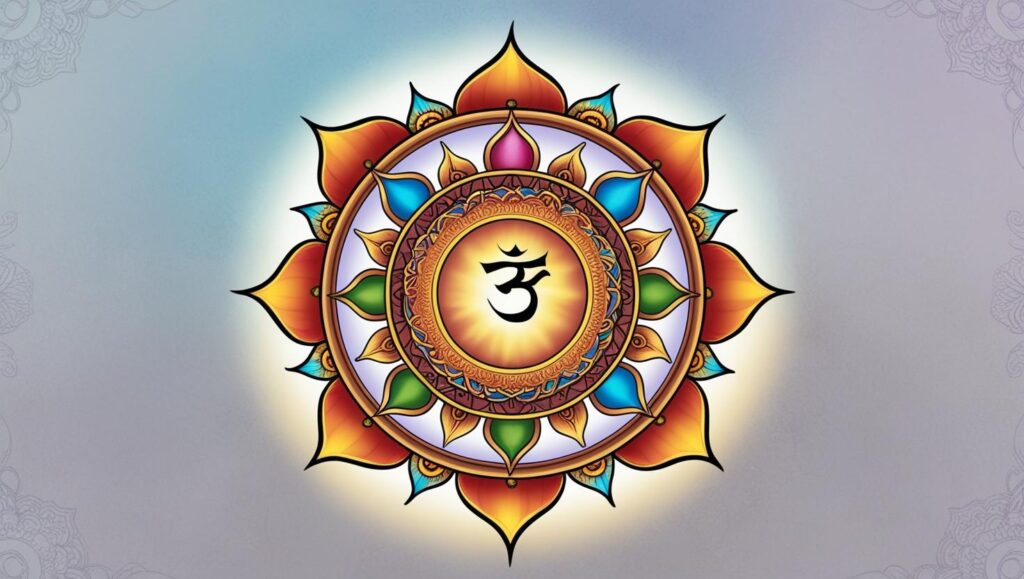
Dharma is not limited to religious rituals; it encompasses duty, justice, ethics, and conduct that benefits society.
Understanding Dharma:
Swadharma – One’s personal duty and righteousness.
Social Dharma – Responsibilities towards family, truthfulness, and charity.
Universal Dharma – Promoting truth, non-violence, love, and compassion for all beings.
The Bhagavad Gita states: “Swadharme Nidhanam Shreyah, Paradharmo Bhayavahah” (It is better to perish in one’s own duty than to follow another’s, which is dangerous).
Swadhyayan Ma Pramadah (Never Neglect Self-Study and Self-Realization)
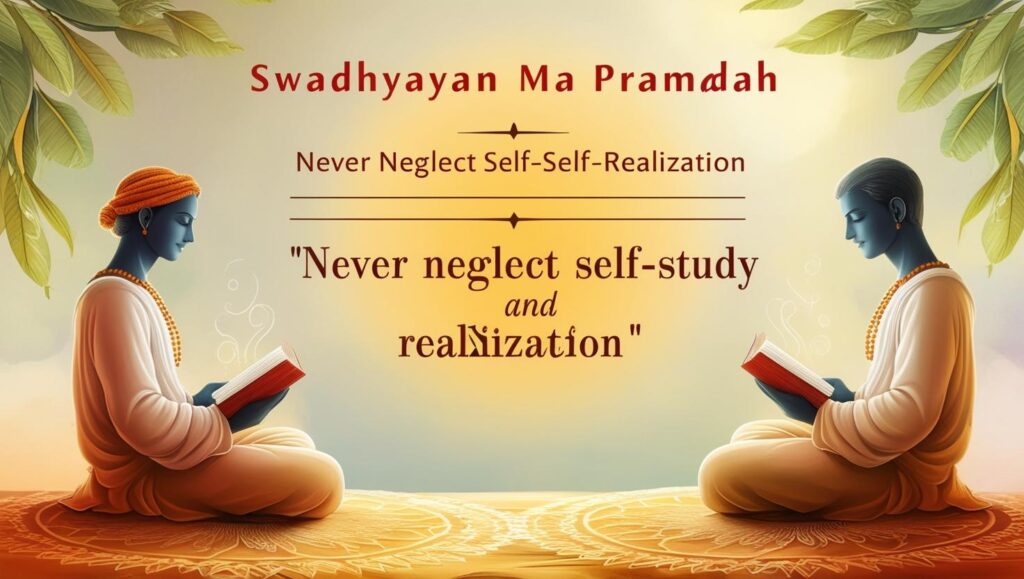
Self-study (Swadhyaya) is the process of acquiring knowledge, self-discipline, and introspection through yoga, meditation, Vedic study, and self-analysis.
Benefits of Swadhyaya:
Enhances personal growth and self-discipline.
Develops problem-solving abilities and resilience.
Leads to spiritual upliftment and mental peace.
The Bhagavad Gita asserts: “Na Hi Jnanena Sadrusham Pavitra Miha Vidyate” (There is nothing as pure as knowledge).
Matri Devo Bhava (Respect Your Mother as a Goddess) & Pitri Devo Bhava (Respect Your Father as a God)
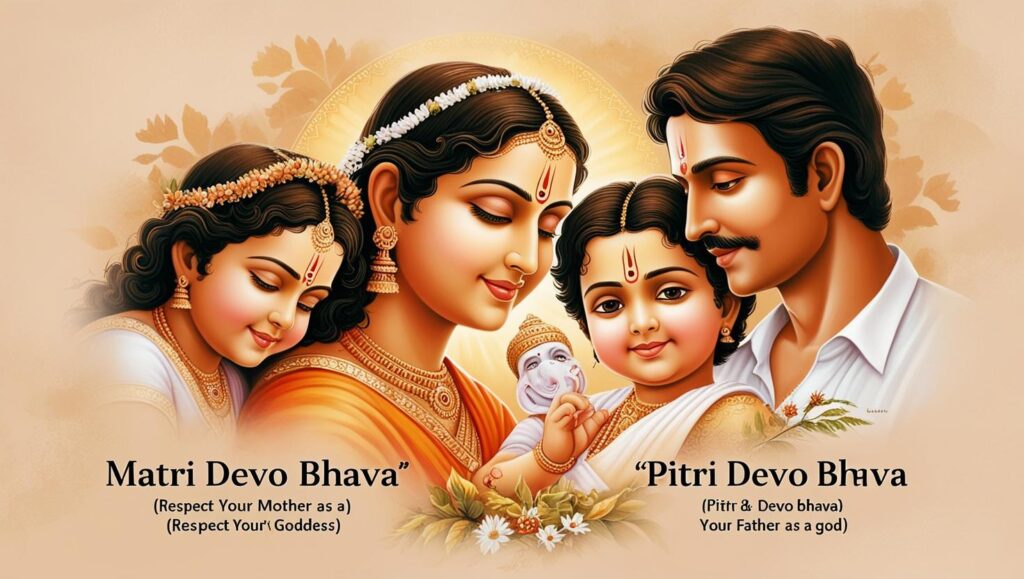
In Vedic culture, parents are considered the first teachers and divine figures in a child’s life. Respecting and serving them is a fundamental duty.
Significance:
Parents give life, nurture, and instill values in their children.
Serving them strengthens family bonds and societal values.
Honoring parents leads to real success and fulfillment in life.
The scriptures state: “Janani Janmabhumischa Swargadapi Gariyasi” (Mother and motherland are greater than heaven).
Atithi Devo Bhava (Treat Guests as Gods)

Vedic tradition upholds the principle of hospitality, considering guests as divine beings deserving of respect and care.
Types of Guests in Vedic Culture:
Deva Atithi – Sages, monks, and spiritual teachers.
Manava Atithi – Human guests or visitors.
Bhuta Atithi – Helpless beings, including animals.
Pitru Atithi – Ancestors (honored through rituals like Pitru Tarpan).
The Mahabharata teaches: “Atithih Devo Bhavet” – The service of guests brings divine blessings.
Acharya Devo Bhava (Respect Your Teacher as a God)

Teachers (Acharyas) are the source of wisdom and guidance. Learning and personal development are impossible without a guru’s mentorship.
The Role of a Guru:
A guru is like a lamp that dispels the darkness of ignorance.
The ancient Gurukul system emphasized discipline, respect, and knowledge transmission.
“Guru Brahma, Guru Vishnu, Guru Devo Maheshwarah” – The Guru is Brahma (the Creator), Vishnu (the Preserver), and Maheshwara (the Transformer).
Without a teacher’s guidance, life lacks direction and purpose.
Vasudhaiva Kutumbakam (The Whole World is One Family)

Vedic philosophy teaches the concept of global unity, where all human beings are interconnected as part of a universal family.
Benefits of Global Harmony

Promotes friendship, peace, and cooperation among nations.
Eliminates discrimination based on caste, religion, race, or language.
Encourages kindness, non-violence, and universal compassion.
The Upanishads say: “Ayam Nijah Paro Veti Ganana Laghu Chetasam. Udaracharitanam Tu Vasudhaiva Kutumbakam”
(Small-minded people divide the world into ‘mine’ and ‘others,’ but the wise see the whole world as one family).
Conclusion
The teachings “Satyam Vada, Dharmam Chara” and others are not just religious principles but practical, scientific, and socially beneficial guidelines. Truth, righteousness, self-study, respect for parents, hospitality, reverence for teachers, and global unity create a stable and prosperous society.
By integrating these values into our daily lives, education, and policies, humanity can achieve true harmony and sustainable progress.
“Sarve Bhavantu Sukhinah, Sarve Santu Niramayah”
(May all be happy, may all be free from illness
foundation of life foundation of life foundation of life foundation of life foundation of life foundation of life foundation of life foundation of life

