Table of Contents
Introduction

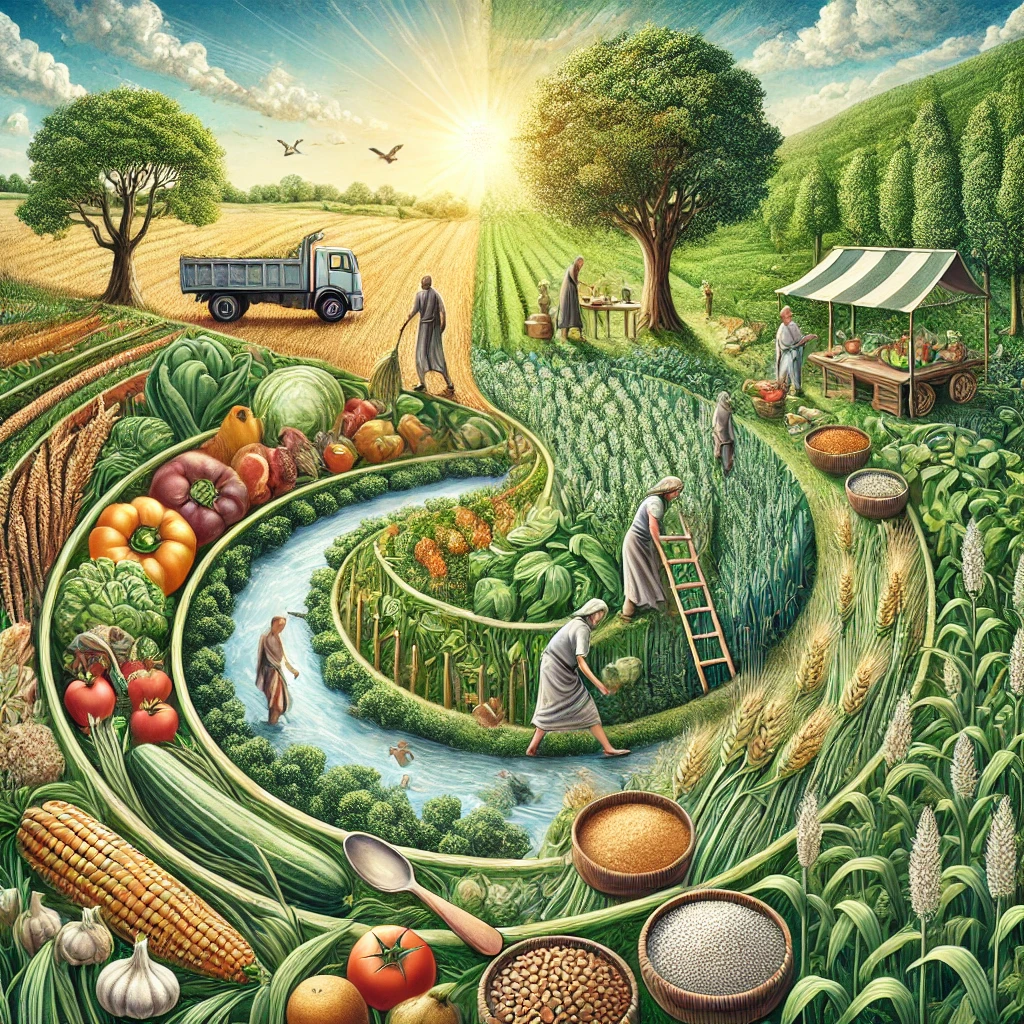
The Earth to Mouth Principle of Diet in Veda/Ayurveda. In Vedic and Ayurvedic traditions, diet is considered the foundation of health and longevity. The “Earth to Mouth” principle emphasizes consuming food that is natural, pure, wholesome, and aligned with the body’s needs. It encompasses the entire journey of food—from its origin in the earth to its consumption-ensuring it remains unadulterated and beneficial. This principle promotes harmony with nature, bioavailability, nutritional integrity, and sustainability.
The Connection Between Earth and Diet
The Earth to Mouth Principle of Diet in Veda/Ayurveda. Ayurveda recognizes the significance of the land (Kṣetra), soil quality, climate, and seasonal changes in determining the best food for health. The idea of Deśānurūpa Āhāra (region-specific diet) is deeply embedded in this concept.
Key Ayurvedic References:
Charaka Samhita (Sūtrasthāna 1/68):
“Hita Ahita Mitaṁ ca yadannaṁ tatsarvaṁ svābhāvikaṁ deśa-kālanusāraṁ bhavati.”
(The suitability of food depends on the place and time.)
Sushruta Samhita (Sūtrasthāna 46/46):
“Śuddhaṁ khādyaṁ bhavet prāgvat.”
(Food must always be pure and unadulterated.)
From Seed to Harvest
The Earth to Mouth Principle of Diet in Veda/Ayurveda. The Earth to Mouth Principle of Diet in Veda/Ayurveda. To ensure a healthy diet, Ayurveda stresses the importance of pure seeds, fertile land, natural irrigation, and seasonal cultivation.
Non-GMO Seeds: Ayurveda emphasizes the use of naturally preserved, unmodified seeds.
Organic Farming: Foods grown without synthetic fertilizers or pesticides are superior.
Seasonal Eating: Consuming seasonal fruits, vegetables, and grains enhances health and digestion.
Storage, Processing, and Cooking
The Earth to Mouth Principle of Diet in Veda/Ayurveda. Ayurveda discourages over-processed and artificially preserved foods, advocating for natural methods.
Storage: Fresh and naturally preserved foods should be preferred.
Processing: Minimal processing using traditional methods retains the food’s essence.
Cooking Methods: Using clay pots, wooden utensils, ghee, and moderate heat enhances digestibility and nutrition.
Principles of Eating
The Earth to Mouth Principle of Diet in Veda/Ayurveda. Alignment with Nature: Following Dinacharya (daily routine) and Ritucharya (seasonal routine) while eating.
Food Compatibility: Avoiding incompatible food combinations (Viruddhāhāra) that may cause health issues.
Moderation: Eating in the right quantity (Mātrāśaśca Niyamastathā – Charaka Samhita) is essential.
Mindful Eating: Consuming food with gratitude and chewing properly improves digestion and mental well-being.
Spiritual and Psychological Aspects
The Earth to Mouth Principle of Diet in Veda/Ayurveda. Ayurveda classifies food based on its effect on the mind and body:
Sāttvic Food: Fresh, energy-giving, pure, and naturally grown food.
Rājasic Food: Spicy, stimulating, highly processed, and junk food.
Tāmasic Food: Stale, overly processed, chemically treated, and heavy-to-digest food.
6. Practical Applications of the “Earth to Mouth” Principle
The Earth to Mouth Principle of Diet in Veda/Ayurveda. In the modern era, this principle can help prevent lifestyle diseases by:
Promoting organic and local farming
Reducing processed food consumption
Encouraging home-cooked meals
Practicing mindful eating
Conclusion
The “Earth to Mouth” principle is not just about diet but a holistic approach integrating nature, body, mind, and spirit. In the face of rising non-communicable diseases, adhering to this Ayurvedic wisdom ensures better health and longevity.
“Yathā Annaṁ Tathā Manaḥ” – As is the food, so is the mind.
Ensuring the Quality of Food Grains: From Cultivation to Consumption
Food grains are the foundation of human survival, directly influencing physical, mental, and spiritual health. Their quality must be maintained at every stage, from sowing the seeds to final consumption. The statement “Food grains must be of high quality from the time they are cultivated in the soil until they reach our plates” highlights the importance of ensuring quality throughout the entire production cycle.
This article explores all aspects of food grain quality, from seed selection to consumption, emphasizing best practices in agriculture, storage, processing, and dietary habits.
Seed Selection: The Foundation of Quality Food
The Earth to Mouth Principle of Diet in Veda/Ayurveda. The first step in producing high-quality food grains is choosing the right seeds.
Seeds should be resistant to diseases, high-yielding, and suited to local environmental conditions.
Organic and naturally produced seeds retain higher nutritional value.
Traditional seed preservation methods and organic farming practices should be encouraged.
Soil Health: The Bedrock of Nutrient-Rich Food
The Earth to Mouth Principle of Diet in Veda/Ayurveda. The quality of food grains is directly linked to soil fertility.
Excessive use of chemical fertilizers and pesticides depletes soil’s natural structure.
Compost, cow dung manure, green manure, and organic fertilizers should be prioritized.
Regular soil testing for pH balance and essential nutrients is crucial.
Water Quality: The Role of Clean Irrigation
The Earth to Mouth Principle of Diet in Veda/Ayurveda. Contaminated water lowers food quality and affects human health.
Rainwater harvesting and organic purification techniques should be adopted.
Conservation and sustainable management of water resources are necessary.
Organic Farming: The Key to Toxin-Free Food
The Earth to Mouth Principle of Diet in Veda/Ayurveda. Excessive use of chemical pesticides and herbicides makes food toxic.
Organic farming may yield slightly less, but it retains higher nutritional value.
Mixed cropping and traditional farming methods should be encouraged.
Proper Storage: Maintaining Quality Over Time
The Earth to Mouth Principle of Diet in Veda/Ayurveda. Proper temperature, humidity, and air circulation should be ensured.
Natural preservatives like neem leaves and basil can help prevent spoilage.
Sun-drying grains properly before storage prevents fungal and bacterial contamination.
Processing and Transportation: Handling with Care
The Earth to Mouth Principle of Diet in Veda/Ayurveda. Over-processing can strip food grains of their natural nutrients.
Harmful chemicals and artificial preservatives should be minimized.
Transportation should maintain hygiene, controlled temperature, and safe packaging.
Consumption: The Right Way to Eat
The Earth to Mouth Principle of Diet in Veda/Ayurveda
Fresh, seasonal, and naturally grown food should be prioritized.
Excessive consumption of processed and ultra-processed food should be avoided.
Proper cooking methods should be used—overheating or excessive frying can destroy nutrients.
Ayurvedic and Sattvic dietary practices should be adopted for holistic well-being.
Policy and Responsibility: Ensuring Quality Food for All
The Earth to Mouth Principle of Diet in Veda/Ayurveda. Governments and organizations should promote organic farming and food safety.
Clear labeling and certification of chemical-free food grains are essential.
Consumers must be aware and responsible while selecting and consuming food.
Farmers should be encouraged to return to sustainable agricultural practices.
Conclusion
Food is directly linked to our health, culture, and environment. Maintaining food quality from cultivation to consumption is a shared responsibility among farmers, policymakers, businesses, and consumers.
Only high-quality food can build a healthy body, a pure mind, a strong society, and a long life. Therefore, we must collectively adopt the principle of “Healthy Food from Farm to Plate” to ensure a healthier future for all.